
Need to Know News - October 22nd, 2026

In this week's Need to Know News edition:
🤖 Anthropic's answer to Meta Muse is an agent that works while you're away and shops with your approval.
🤖 A search engine built for AI agents just swallowed more than a billion product listings...your product page is now on the menu.
🤖 Researchers can now tell which words in an AI ad brief actually earn the likes... then their method matched senior experts in a live test.
And a whole lot more!
Anthropic's Claude Duet Is an AI Agent That Sticks to Work
This week nthropic walked into the crowd of AI agents with one that sticks to your workday. Claude Duet is its new agent app for professionals and small businesses. It takes on tasks in the background and checks back when a decision needs a human. Anthropic is upfront about what it skips, too... Duet won't run errands or book travel.
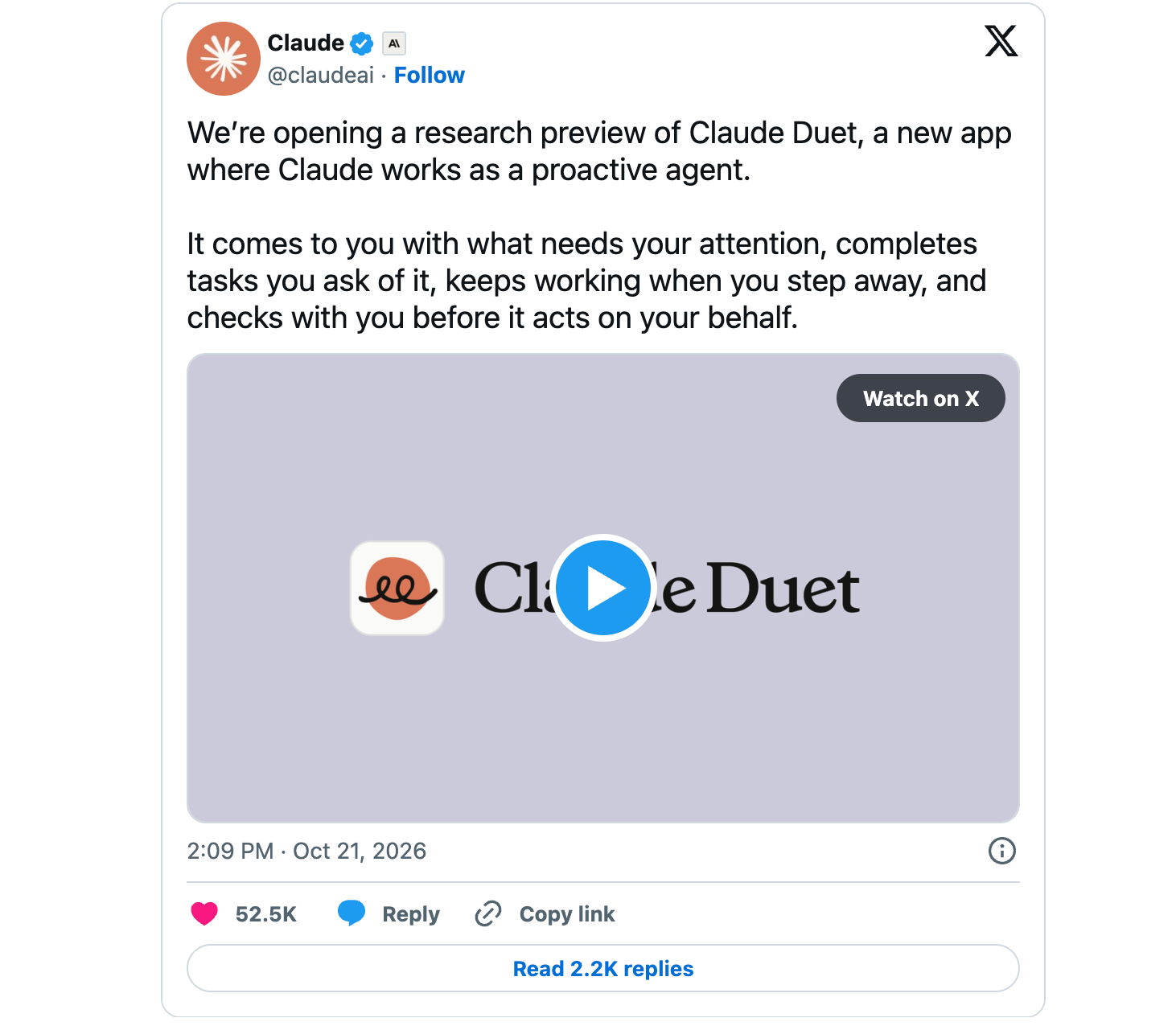
📋 The Details: It runs on Claude Opus 5.5 and plugs into more than 6,000 connectors in the Claude Marketplace, which is how it builds a daily briefing from your data. Hand it a job and it works in a separate virtual machine while you do something else, then surfaces for your sign-off. It can even buy things through Stripe's Link or Shopify's Shop Pay, though payments always wait for your approval.
🎯 Why You Need to Know: Duet keeps watching the tasks you hand it and sends recommendations before you've asked, so the morning briefing reads like a note from someone who checked your accounts overnight. Anthropic also added a screen that checks every message, and by default Duet refuses to handle credit card numbers or government IDs.
⚡ Your Move: Pro and Max subscribers can join the research-preview waitlist now. Spend the wait picking the two sources its first briefing should read, say your ad account and your support inbox.
Walmart Writes the Rulebook for AI Agents That Shop Its Shelves
Walmart has decided that if AI agents are going to shop, they'll do it on Walmart's terms. On Wednesday the retailer laid out how agents will buy from Walmart and Sam's Club. Each agent gets its own identity inside a customer's account, and Walmart has written down the rules it'll get blocked for breaking. Sell there, and that's your newest customer.
📋 The Details: Agent Profiles arrive within the next month. A customer authorizes each agent, then either approves every order or hands it a spending cap, up to $200. Agents also get their own doorway, the Walmart Agent Gateway, which runs on MCP, the standard that lets agents talk to other software.
🎯 Why You Need to Know: If you sell through Walmart, an agent sees the same price a human sees, so a software price check comes out the way a shopper's would. The Gateway goes further: it can hand an agent a customer's usual items without exposing their wider history. So the reorder habit you've built with a shopper carries over to the agent... and a brand that isn't already the usual has a harder time getting picked.
📡 Watch For: Customers will see agent purchases separately, but nothing says sellers get the same split. When a line separating agent orders shows up in your seller analytics, Walmart has started treating agents as a channel.
🚀 WATCH: How These AI Copy Bots Are Producing World-Class Sales Copy 50X Faster Than Even The "BEST" Copywriters On The Market…
(Plus… They Don't Get Sick, Miss Deadlines, Or Ask For Raises Either!)
Watch the full AI Copywriting Tell-All Video Here
Amazon Says Its Ads Agent Cut CPMs 18% in Beta Campaigns
Last month at unBoxed, Amazon folded its DSP, its programmatic ad-buying tool, and its ad console into one AI agent. Now it's putting early numbers on it. Amazon Ads VP Kelly MacLean told AdExchanger's Inside the Stack podcast that beta advertisers paid less and got their ads shown more. She also split the job: you decide why and what, and the AI works out how.
📋 The Details: By Amazon's count, advertisers on Amazon Ads Agent paid 18% less per thousand impressions and 16% less per acquisition. The bigger jump was delivery, up 65%, meaning ads got served more reliably. The merged platform now launches a programmatic campaign in as few as four clicks, which MacLean calls "programmatic for everyone."
🎯 Why You Need to Know: MacLean argues a purchase rarely runs in a straight line, and a person juggling four or five campaigns can't see the links. Amazon can, she says, because it watches the whole path. If the DSP's learning curve kept you out, four clicks is your way in... though the AI doing the connecting is Amazon's, working from the shopping data Amazon holds on 90% of US households.
📡 Watch For: Look for a case study from an advertiser who'd never run programmatic before. Amazon's numbers come from advertisers already in the beta, so a true first-timer will say whether programmatic for everyone holds up.
Kling 4.0 Stretches AI Video to 30 Seconds With Remakes of Proven Ads
Ad makers will feel Kling's 4.0 video upgrade as control. You can now steer a generation with a pile of reference assets instead of a prompt and a prayer, and one run lasts long enough to hold a whole spot. Kling says everything else in the upgrade chases realism, down to mouths that match the dialogue.
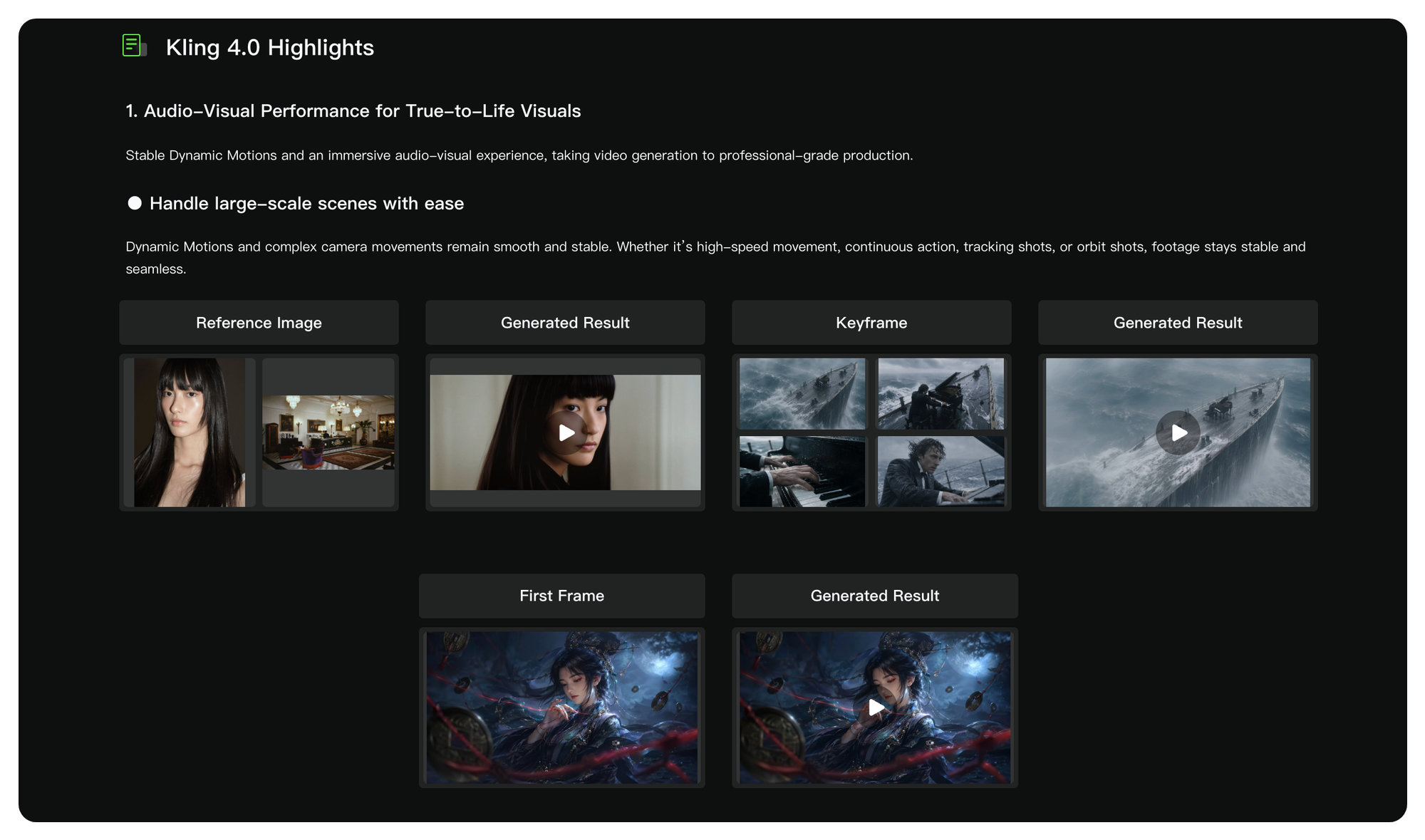
📋 The Details: One generation now runs up to 30 seconds in 4K, steered by as many as 15 reference assets. Kling aimed one feature at ad makers and calls it Creative Recreation. Feed it an existing video and it borrows that clip's pacing and shot composition while swapping in your product. Some of the upgrade is still in the mail, though... 10-bit HDR and a two-minute clip extender are both marked coming soon.
🎯 Why You Need to Know: On-screen text has been a running joke in AI video. Kling claims 4.0 keeps text and logos legible in English and eight other languages. The dubbing comes along too, with British and Indian English accents among the options, so a team localizing one spot across markets gets title cards and voices handled in the same generation.
⚡ Your Move: Hand 4.0 your best-performing spot as the reference, plus one photo of a product you've never advertised. Note how many retries it takes before you'd put money behind the second ad.
Exa 3.0 Hands AI Agents 1.27 Billion Product Listings to Search
Some AI assistants run on a search engine you've never typed into. This week it got far more interested in what you sell. Exa builds search for AI agents rather than people, and on Monday it released Exa 3.0, which the company calls the biggest jump in search quality in its history. Personal assistants have driven what Exa calls an explosion in usage, so this version went out and indexed the things those assistants get asked to buy.
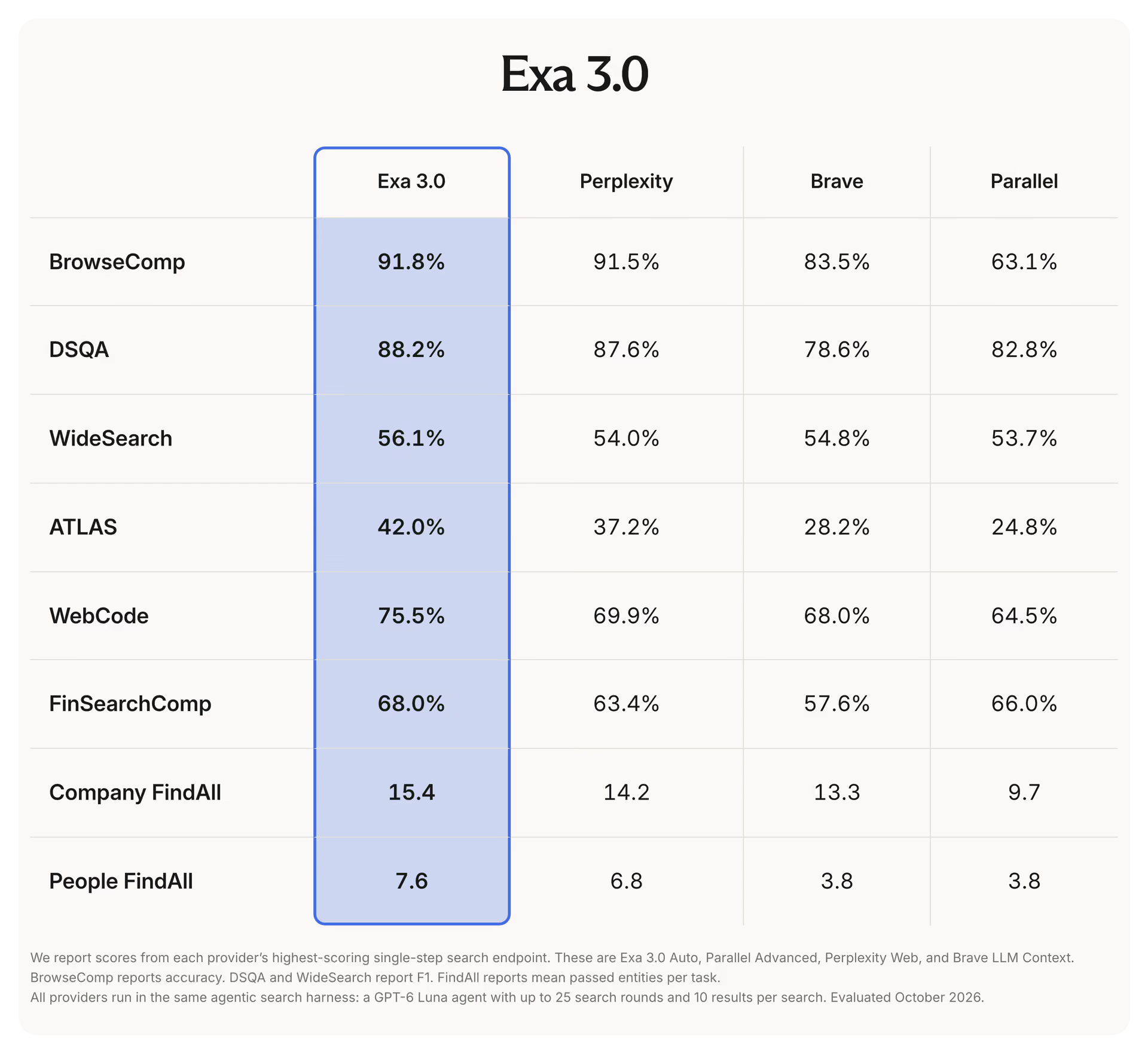
📋 The Details: The index now holds 1.27 billion ecommerce listings, each carrying a price and whether it's in stock. Local businesses got the same treatment... more than 211 million of them, hours and ratings attached. Developers pay by the request, and a new Exa Lite tier at $4 per 1,000 undercuts Exa Auto at $7.
🎯 Why You Need to Know: When an assistant running on Exa answers a request for a standing desk under $400 that ships this week, it's reading listings from this index. Exa crawls the web itself, so the price and stock on your product page are what an agent repeats to the shopper.
⚡ Your Move: Pull up your three best-selling product pages and read them the way a crawler would. If the price or the stock status only lives inside an image or behind a dropdown, an agent may never see it.
Dollar Shave Club Fenced Off Where AI Could Touch Its New Campaign
Dollar Shave Club put AI to work on its new campaign and then told it where it couldn't go. "Perfectly Good Is Perfect" is meant to be the frame for every product launch to come, shot in-house with real people on camera. The ad itself mocks the quest for perfection, opening on a spokesperson in an ice bath wearing an infrared mask before reminding viewers a razor only has to be perfectly good.
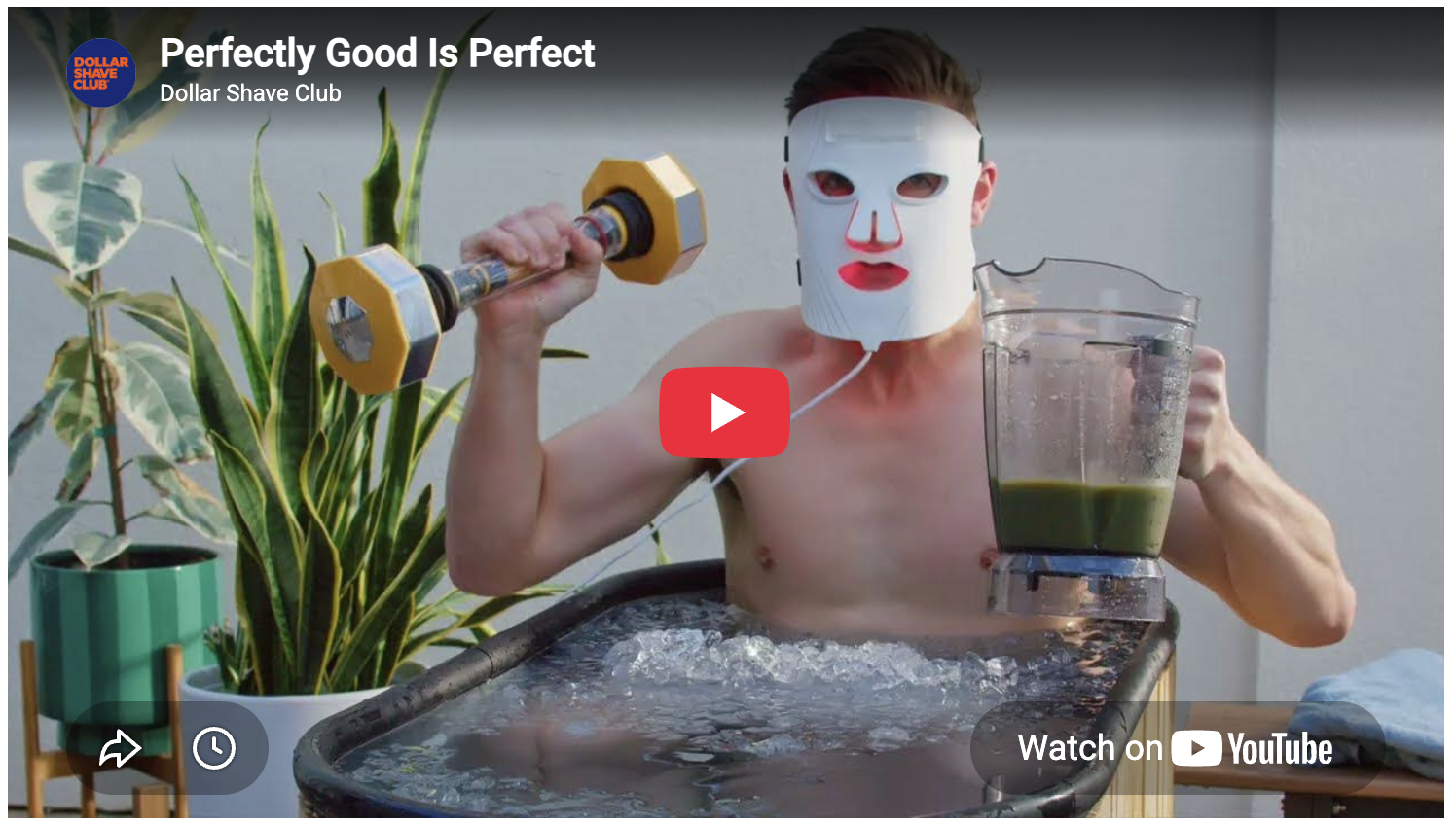
📋 The Details: Brand chief Laura Higgins wrote the brief, and AI helped the brand and agency Humanaut cut production to about two and a half months. AI handled the visual gags, like the spokesperson sprouting six fingers to show off the six-blade razor. It stayed away from the shave, because Higgins says the technology still can't render shaving in action convincingly.
🎯 Why You Need to Know: Higgins keeps AI output on-brand with nothing fancier than a solid brand book and a toolkit for every channel. That lets the team drop AI into a gag without it drifting off-voice. Even so, she says the brand has had to get "more choiceful" about where it uses the technology.
⚡ Your Move: Before your next shoot, list the two things in your category AI still can't render convincingly, and keep those live-action. The rest of the shot list is fair game for a generated gag.
Avalara Flooded Tax Season With Orange and Lifted Share of Voice 16%
Being the biggest name in tax-compliance software wasn't buying Avalara any trust, according to a case study Demand Gen Report published Thursday. Buyers wanted reassurance that letting Avalara's AI agents near their tax filings was safe. So Avalara's agency Marketbridge took over everywhere a finance buyer looks during Tax Day season, when the subject is impossible to ignore, and gave the move a name... a saturated sprint.
📋 The Details: The sprint put 165 placements across 25 media partners in the US and UK, so a finance buyer scrolling the Journal or flipping on CNBC kept running into Avalara orange. Marketbridge reports more than 70 million impressions out of it and a 200% jump in homepage traffic. Share of voice, the first thing the sprint set out to lift, rose 16%.
🎯 Why You Need to Know: You can copy the timing without a Journal-sized media buy. Tax Day is the one stretch when finance buyers are already thinking about Avalara's problem, so every placement landed on someone mid-worry. The message sold safety, too, because that was the objection buyers actually had.
⚡ Your Move: Find your category's Tax Day, the two or three weeks when your buyer can't avoid the problem you solve, and move the brand spend you'd have spread across the year into that window. Afterward, compare homepage traffic with the same weeks last year.
72% of B2B Marketing Teams Haven't Grown in Two Years, Demandbase Finds
B2B marketing teams are running on the headcount they had two years ago, and their deadlines keep shrinking. That's the short version of new Demandbase research, released this week, which found nearly three-quarters of teams haven't grown since 2024 while most face tighter turnarounds. And when those same teams rank which skills gained value in the AI era, judgment beats knowing the tools.
📋 The Details: Asked what matters more than it did two years ago, 56% picked strategy and judgment, against 38% for prompting and tool fluency. That fits how often the output needs fixing... only 21% say they rarely or never have to correct what AI gives them. Before you quote any of this, know the sample: 124 US B2B marketers, interviewed in September by G2 on Demandbase's dime.
🎯 Why You Need to Know: Demandbase sells Mojo, a B2B marketing agent, so a study concluding that teams need agents deserves a raised eyebrow. Set the pitch aside and one number stands up: 64% have tried to influence how AI describes their brand, yet only 35% track how it shows up in AI search. Most are pushing on something they never measure.
⚡ Your Move: Book 20 minutes on the first Monday of each month to type your buyers' questions into whichever AI assistants they use, and save every answer that mentions you.

Researchers Measure Which Parts of an AI Ad Brief Cause Engagement
Now that an AI can write the ad, three researchers argue the value has moved upstream into the brief, the handful of labels a marketer picks to steer the model. So they worked out a way to measure which of those labels cause engagement and which just tag along. The team, from Shanghai Jiao Tong University and UT Dallas, tested it on nearly 30,000 makeup ads, and in a live test its label picks beat the originals.
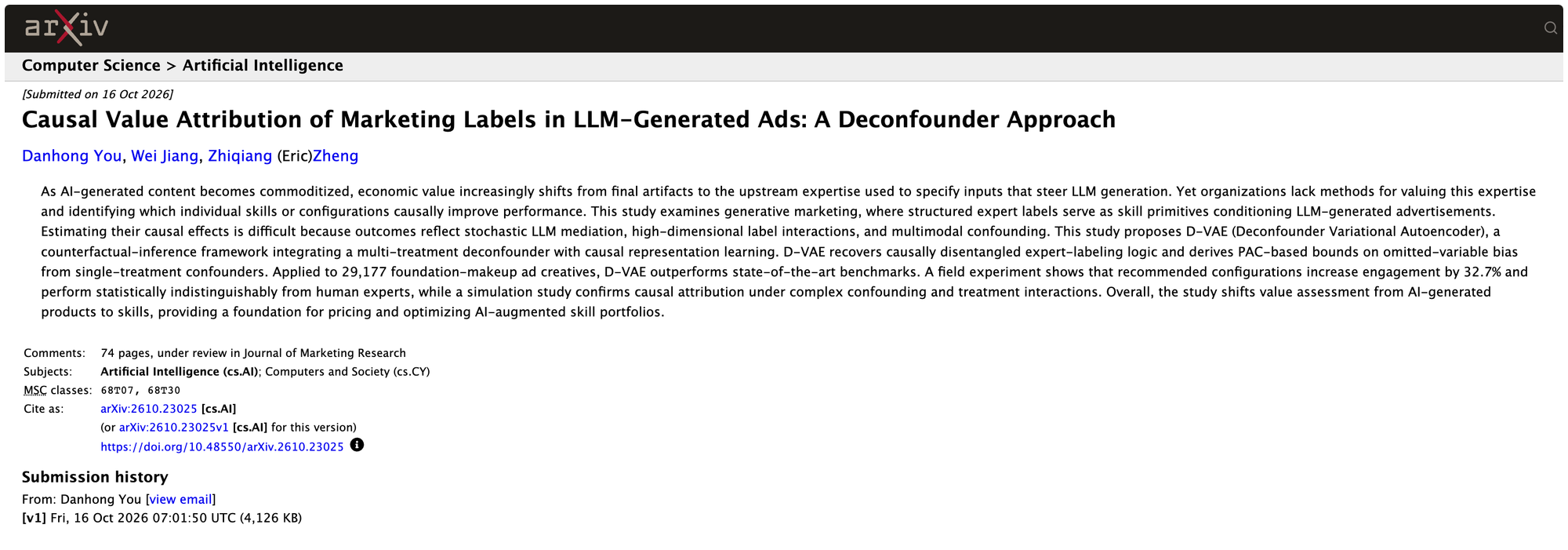
📋 The Details: A marketer tags a campaign with labels for product efficacy and for the audience, and a language model writes the post from those tags. The researchers' model, D-VAE, untangles which labels drove likes and comments and which merely rode along with a prettier image. In a controlled field experiment, its recommended label sets lifted engagement 32.7% over the originals.
🎯 Why You Need to Know: If your team keeps a brief template for AI-written copy, this method puts a value on each tag in it, one at a time. The authors frame it around a planning-meeting argument... whether a student campaign should lead with affordability or with a co-branded hook.
📡 Watch For: The authors tested one product category, complexion cosmetics, and warn the method may not transfer to categories with different attributes. Wait for a replication in software or services before trusting it with a B2B brief.
Thanks for reading.
Until next time!
The AI Marketers
P.S. Help shape the future of this newsletter – take a short 2-minute survey so we can deliver even better AI marketing insights, prompts, and tools.
[Take Survey Here]
