
Need to Know News - August 6th, 2026

In this week's Need to Know News edition:
🤖 If your business runs on a service fee...look at what one AI just did to real estate's untouchable 6%.
🤖 The custom AI workflows you build for one chatbot could soon run on all platforms...six rivals just agreed to stop locking you in.
🤖 A support bot that watches your customer's camera and jumps in on its own is here.
And a whole lot more!
ByteDance's SeedRealtime Watches Live Video and Talks Back in Real Time
Ask a typical voice assistant something and it waits for silence before it answers. ByteDance's SeedRealtime reads a live video feed and audio at once instead, deciding moment to moment when to speak, when to stay quiet, and what on screen you mean.

📋 The Details: It runs one architecture over sound, picture, and timing instead of chaining a recognizer, a vision model, and a voice into a laggy stack. It speaks up on its own when a target it was told to watch appears, and in ByteDance's tests it halved the awkward pacing problems: talking over you, freezing, or misfiring on background noise.
🎯 Why You Need to Know: A model that reads a live scene and speaks at the right second is the raw material for a shopping assistant that watches your camera, or support that sees what a customer sees. The demos run in Chinese, landing well before an English product.
📡 Watch For: When this reaches a developer API or a Western-facing app. TikTok's parent putting a live-camera assistant in front of consumers is the moment to mark.
Cloudflare Open-Sourced the Agent Workspace It Runs Its Company On
Coding agents work because code gives instant feedback: it runs or it doesn't. The rest of a company, building decks, pulling reports, chasing approvals, worked without that loop. Cloudflare ran its own answer internally since May, then open-sourced it this week as Cloudflare OS.
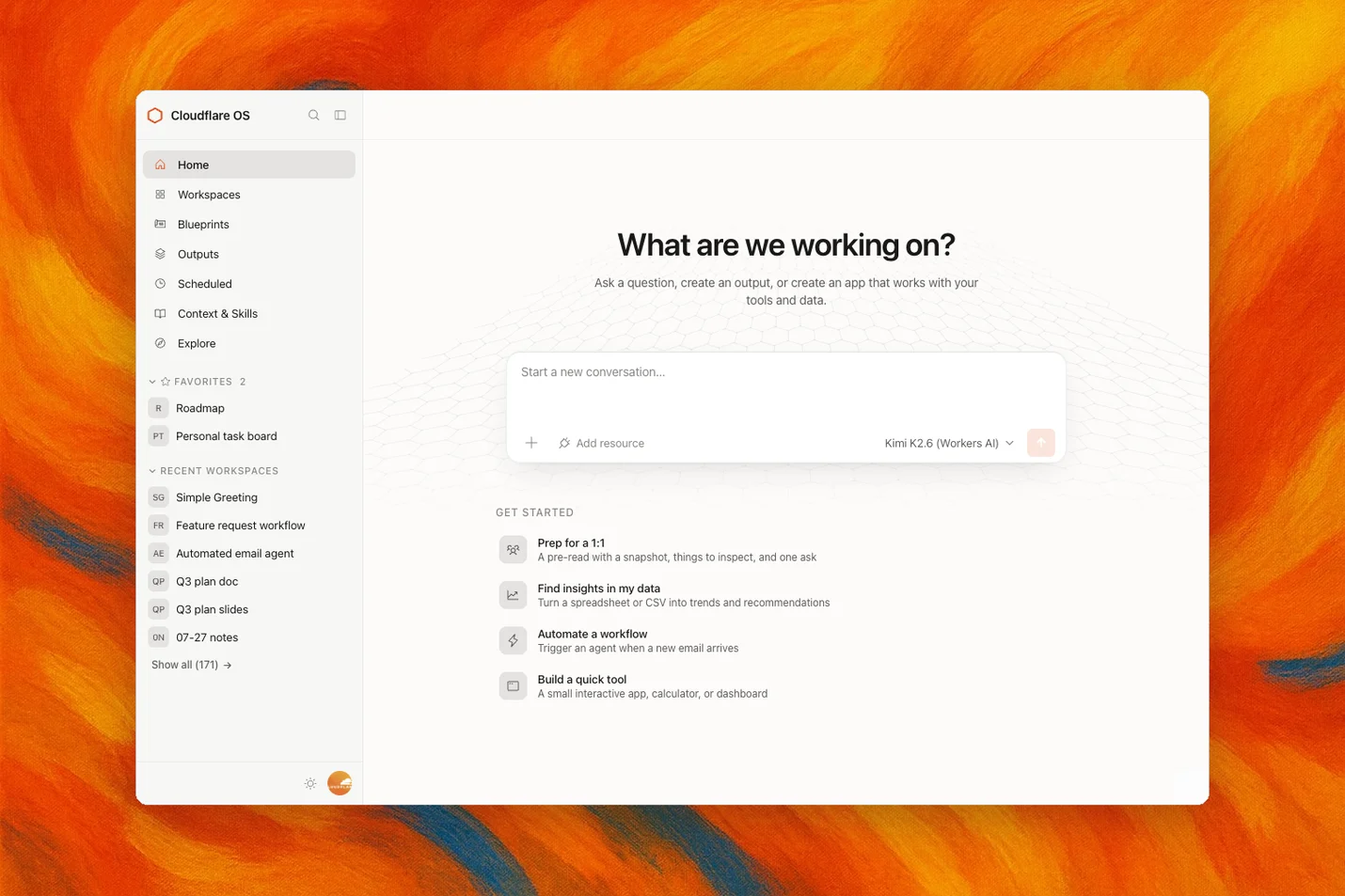
📋 The Details: Each person gets a workspace grounded in company context that writes and runs code in a sealed runtime. Security lives in the platform, not the user: every agent starts with access to nothing and earns narrow, logged permissions through Cloudflare's Gatekeepers, so a shared dashboard can't leak the data underneath.
🎯 Why You Need to Know: Teams keep AI boxed in a chat window because giving it real access to real systems is the scary part. Cloudflare tracks what an agent has seen and blocks where that data can go next, the piece those "let AI do the real work" pitches keep skipping.
📡 Watch For: The managed version. Cloudflare says it's bringing Cloudflare OS to its dashboard as a hosted product and into Slack, which is when a company without its own platform team can run it.
🚀 WATCH: How These AI Copy Bots Are Producing World-Class Sales Copy 50X Faster Than Even The "BEST" Copywriters On The Market…
(Plus… They Don't Get Sick, Miss Deadlines, Or Ask For Raises Either!)
Watch the full AI Copywriting Tell-All Video Here
Six AI Rivals Agreed on One Format for Packaging Agent Skills
Skills and MCP servers made AI agents more useful, but each tool wanted them packaged its own way, with its own layout and setup. This week OpenAI, with AWS, GitHub, Microsoft, Cursor, and Vercel, released Agent Plugins: one open format, so a plugin built once works across any tool that adopts it.
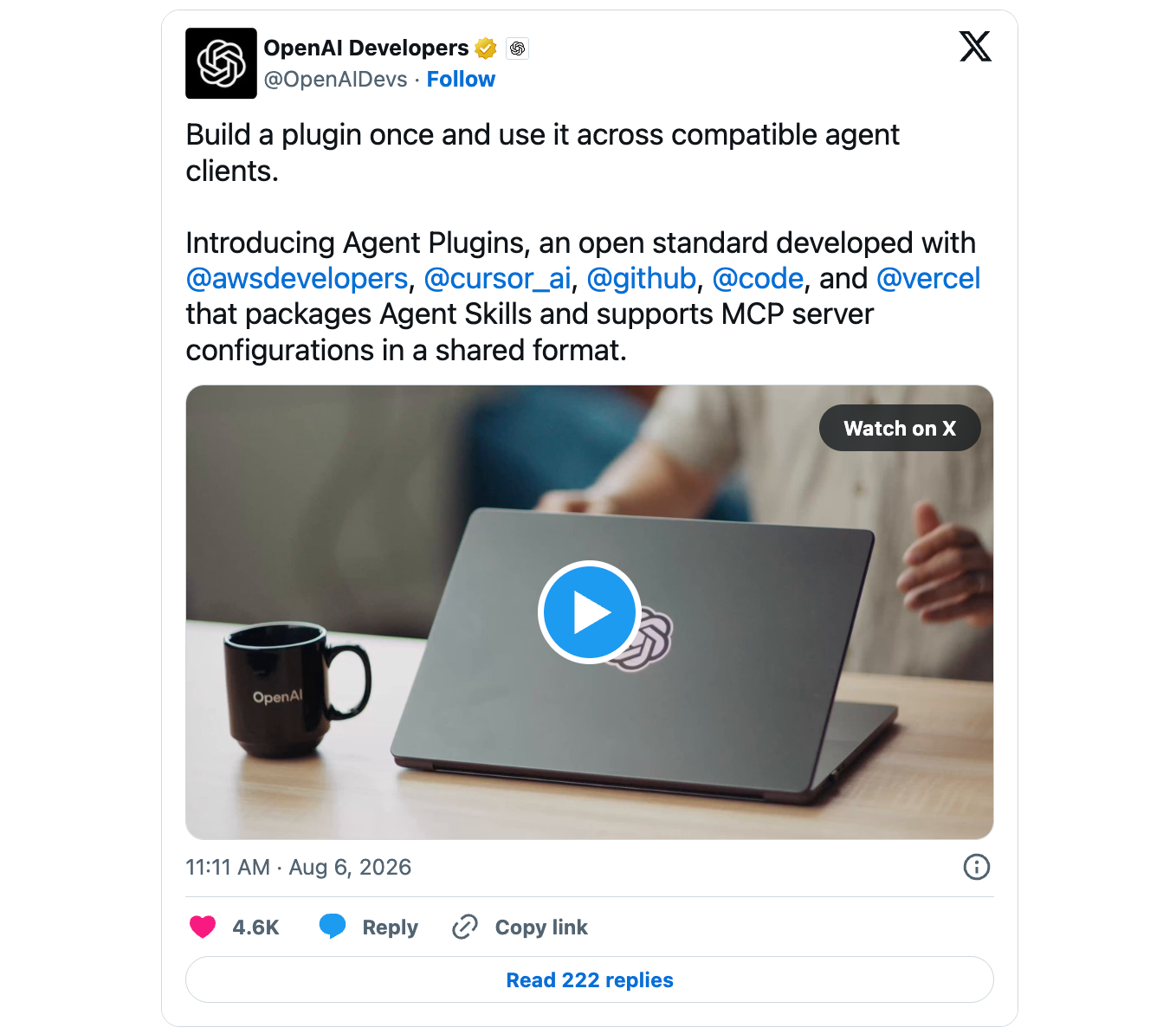
📋 The Details: A plugin is just a folder with a plugin.json manifest at its root. The first version covers two tools teams already use, agent skills and MCP servers, and the spec stops at packaging and discovery, not marketplaces or permissions. Codex, ChatGPT, Cursor, GitHub Copilot, Kiro, and VS Code back it at launch.
🎯 Why You Need to Know: Once a skill you write drops into any compatible tool without rework, the workflows your team builds stop being locked to one vendor. That makes a pile of one-off prompts standard across your agents.
⚡ Your Move: If your team keeps re-pasting a house prompt or MCP setup between tools, package it once as a plugin and see how many agents pick it up. One format beats redoing the glue per app.
Meta's Advantage+ Cut DTC Acquisition Costs 34% Last Quarter
The AI campaign type a lot of DTC brands filed under "someday" became their cheapest source of customers last quarter. Across 2,400-plus Shopify and WooCommerce stores, agency Tinuiti clocked Meta's Advantage+ Shopping campaigns delivering buyers at 34% below the manual setups media teams spent years hand-tuning.
📋 The Details: The turn traces to Meta's Andromeda engine upgrade late last year, which re-ranks your creative mid-campaign against real purchase signals instead of engagement guesses. Catalog depth decides who wins: stores with 500-plus SKUs saw the steepest drops, those under 50 a still-real 12%.
🎯 Why You Need to Know: The hand-built prospecting structures agencies bill to manage are getting out-earned by the model itself, so the lever left in your hands is creative. Agency buyers are blunt: the brands feeding Advantage+ thin creative blame the algorithm while their costs sit flat.
⚡ Your Move: Before handing Advantage+ more budget, load it 15 to 20 real creative variations and confirm your Conversions API is passing purchase events server-side. Then leave it 14 days before touching anything... pulling budget in week one just resets the model's learning.
MiniMax's H3 Makes 2K Video With Sound at a Third of the Cost
China's video-model race added another entry Friday. MiniMax, the Shanghai firm that listed in Hong Kong in January, released H3: it takes text, images, video, and audio as input and turns out clips up to 15 seconds in 2K, with native stereo sound.

📋 The Details: Beyond generating from scratch, H3 edits existing footage and transfers movement between clips. MiniMax says it built the model for commercial work, advertising, e-commerce, product design, games, and priced 2K at under a third of rivals. Weights drop within days, and it runs on several Chinese-made chips.
🎯 Why You Need to Know: A model built for ad and product video, at a third of the going rate and open enough to self-host, resets the economics for anyone shipping lots of short commercial clips. The pressure on Western tools shows up as pricing whether or not you touch H3.
📡 Watch For: The weight drop MiniMax promised within days. Open weights let agencies and tool builders wrap H3 into their own pipelines, and that's when a Shanghai research release turns into video in your competitors' feeds.
Muse Code Is Meta's Terminal Agent With Always-On Background Helpers
Meta put its own model into the coding-agent fight this week. Muse Code is a terminal agent on the new Muse Spark 1.2, and its trick is background agents that stay alive through a whole session instead of spinning up per task.
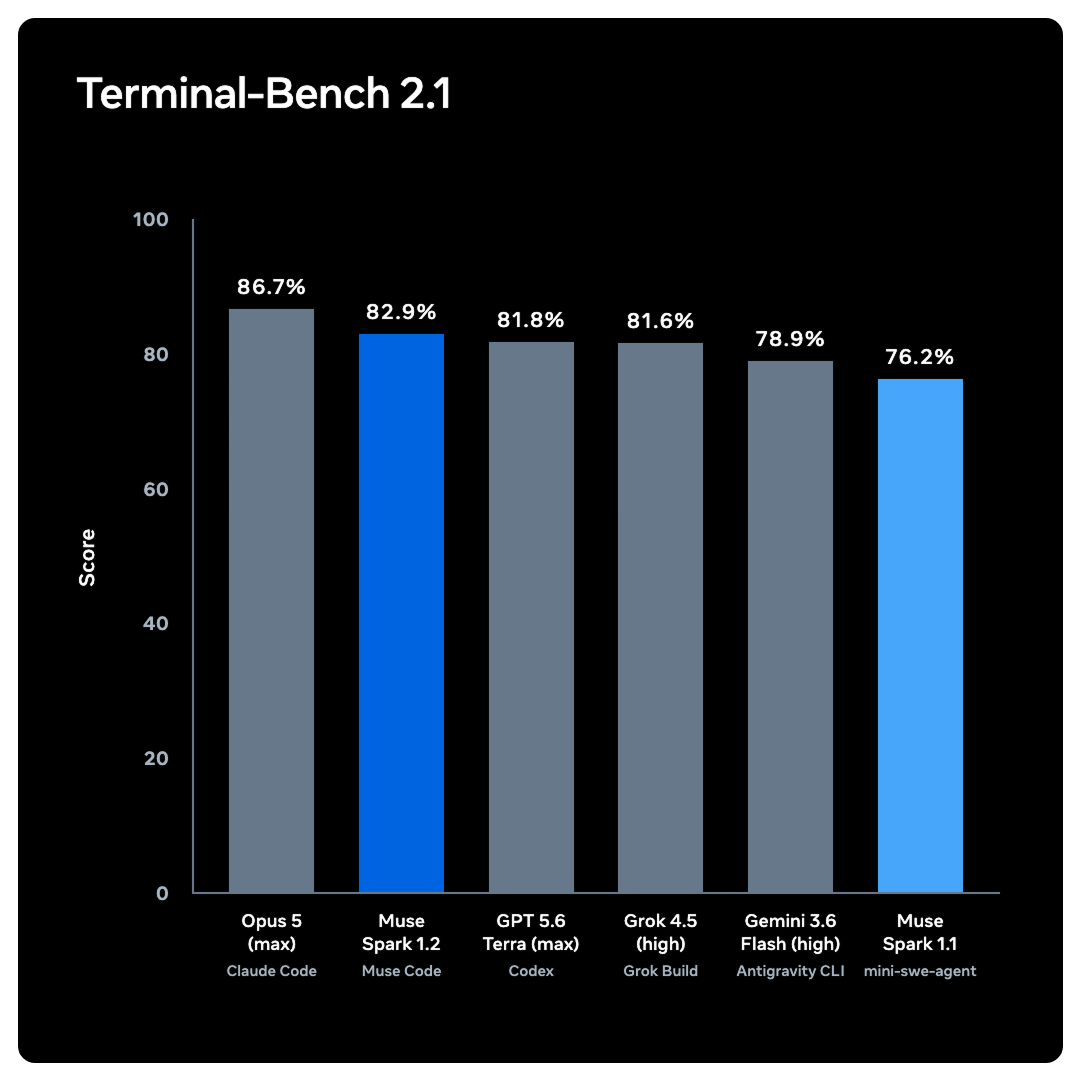
📋 The Details: Muse Code logs every call, tool run, and edit to one file, so a crash picks up where it stopped instead of restarting. Bundled skills include /plan, which turns a task into an approval-gated plan, and /grill, which pressure-tests it. A showcase run improved GPU kernels across a thousand-plus tool calls, and both are available today.
🎯 Why You Need to Know: Meta building its own coding stack, model and agent trained together, means the frontier tools your engineering team can adopt come from four or five labs, not two. More competition there keeps dragging the cost of building software down.
📡 Watch For: Meta's promise that "larger and much more capable models" are coming. Muse Spark 1.2 is a point update, and the release that matters is the bigger model behind it, plus whether the stack earns a place outside Meta.
Pricier Clicks, Higher Conversions: Google's AI Rewrites Shopping Ads
Google Shopping cracked this spring, and Meta had nothing to do with it. Once Google seeded shoppable carousels into its AI Overviews at scale in March, clicks in apparel and home goods jumped 18 to 34% over last year while converting 22 to 31% better.
📋 The Details: Google calls the units "Shopping Moments," collapsing several ad auctions into one AI-curated slot on high-intent queries, which lifts the price. Common Thread Collective, across around 340 stores, pegs median apparel CPCs at $1.44 to $1.89, with fully enriched feeds about 12% under category cost.
🎯 Why You Need to Know: A pricier click that converts better can still pay off, but it breaks any target set on last year's numbers. Judge it on first-order return now and you're either overpaying or ceding the slot to a brand pricing on lifetime value.
⚡ Your Move: Split your SGE placements out from standard Shopping in reporting, using UTM tags, before Q4 fills. You can't reset a target you can't see.
🧵 The Thread: Google's carousels are catching shoppers earlier, in the discovery moment Meta's Advantage+ surge feeds on, so brands cutting one to fund the other keep watching new-customer volume thin out.
Grok's Video Model Holds One Face and Voice Across Every Shot
xAI's video model picked up the thing that keeps AI clips out of campaigns: consistency. Grok Imagine Video 1.5 now takes reference images and a voice sample, so the same face, product, and voice hold shot to shot. It also generates from a written prompt alone, at native 1080p.
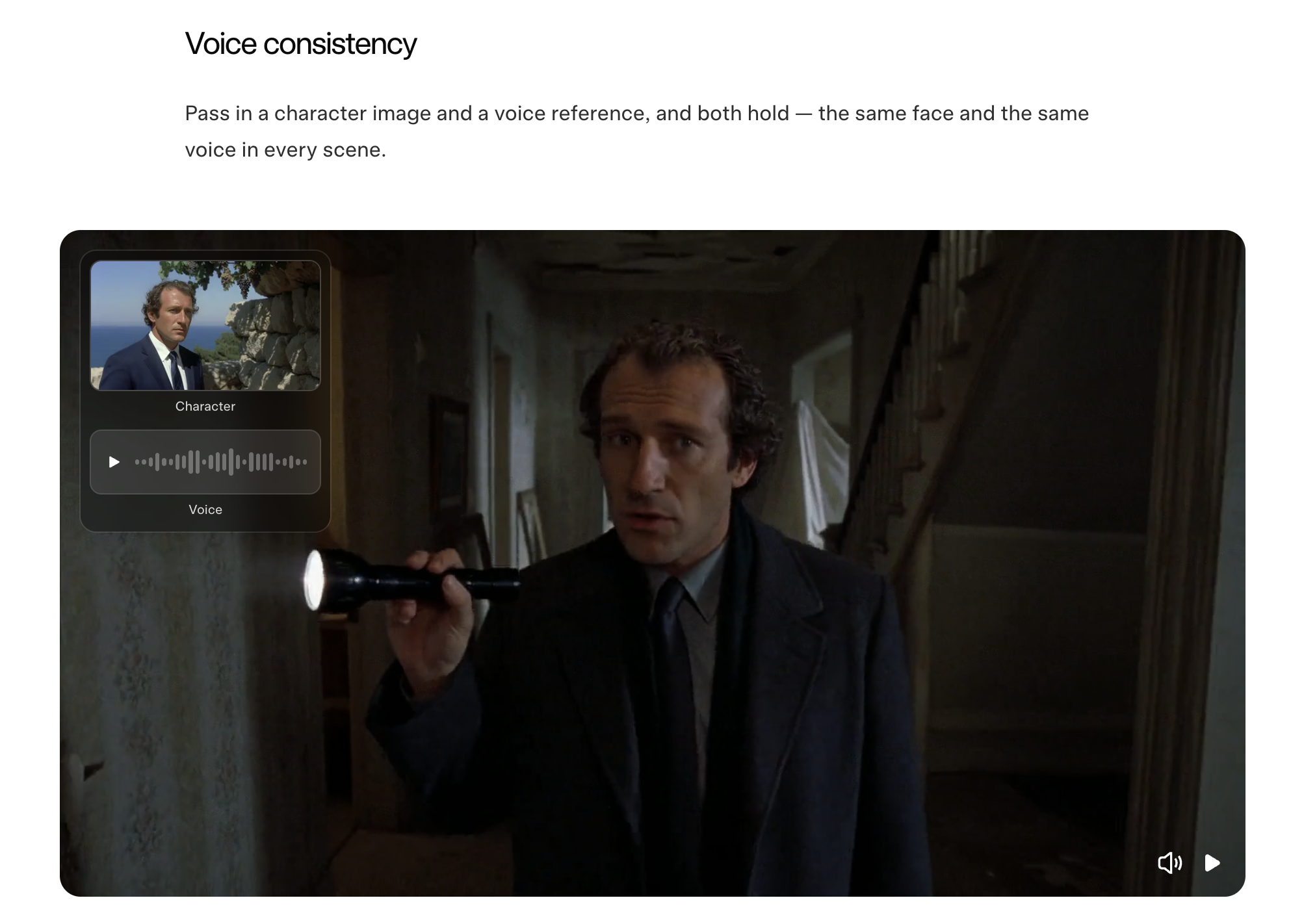
📋 The Details: Image and voice references went live today in the US for SuperGrok Heavy and Plus on grok.com/imagine and iOS, other tiers following within days. Text-to-video and 1080p are already open across web and mobile. You can stack up to seven references per shot, each pinning a face, location, or product.
🎯 Why You Need to Know: A locked character and product separates a one-off AI clip from a campaign you can run, where your item looks identical in every cut. That consistency used to take a shoot.
⚡ Your Move: Feed it a clean product shot and a brand face, then generate three takes of one scene before your next paid-social test. It's the fastest read on whether AI video clears your bar without booking anything.

Qwen3.8-Max Coded for Five Days Alone and Beat the Paper
Alibaba's Qwen team gave its new model a research paper, GPUs, and no starter code, then walked away for five days. Qwen3.8-Max wrote roughly 7,600 lines from scratch, reproduced all six of the paper's findings, then invented a method that beat it, the calling card for a 2.4-trillion-parameter model whose weights open next week.
📋 The Details: It's the first time Alibaba has open-sourced a Max-class Qwen, with 95 billion parameters active at once. The paper run wasn't a fluke: in a separate 24-hour contest it beat 458 of 526 human teams, and on another job it ran a self-improving software project for over two weeks unattended.
🎯 Why You Need to Know: A frontier-scale model you can download and run on your own hardware, rather than rent through an API, lets a business keep sensitive work in-house and skip per-token bills. Qwen has been the open model closing the gap on the closed leaders.
📡 Watch For: Next week's weight release and the benchmarks that follow. Alibaba's own numbers look striking; the test is whether outside labs reproduce them once the model ships.
Ridley's AI Runs the Home Sale and Kills the 6% Fee
Mike Chambers balked at the math on selling his Colorado home in late 2024: over $140,000 in commissions for work he didn't think earned the price. So he built the replacement, Ridley, an AI platform that runs a home sale start to close and cuts out the agent, and the fee.
📋 The Details: Ridley keeps the whole sale in memory, the contracts, deadlines, and disclosures, then prepares documents, coordinates the next steps, and handles the other parties. Chambers still offers a human-in-the-loop tier, and one seller on the company's channel describes saving $65,000.
🎯 Why You Need to Know: The hardest part of an agent's job to automate, holding a months-long transaction in your head and pushing it forward, is what Chambers says software now does alone. If that holds, the 6% fixed for decades becomes optional.
📡 Watch For: Whether people trust an AI with the biggest deal of their lives or fall back to the human tier once the paperwork gets real. That split tells you how much of the agent's job buyers will actually hand over.
Thanks for reading.
Until next time!
The AI Marketers
P.S. Help shape the future of this newsletter – take a short 2-minute survey so we can deliver even better AI marketing insights, prompts, and tools.
[Take Survey Here]
