
Need to Know News - August 1st, 2026

In this week's Need to Know News edition:
🤖 Jack Dorsey wants your team off Slack for good... and his open-source replacement hands your AI agents a seat at the table.
🤖 The plumbing behind every AI-to-tool connection just got its biggest rewrite... so whether your integrations break or hold is being decided right now.
🤖 xAI built a voice model fast enough to hold a real phone call... the sales-line results behind it are legit.
And a whole lot more!
Testers Say Midjourney V8.2 Wins Most on Photographic Realism
Midjourney pushed V8.2 out as the new default, pitching bolder aesthetics, fewer junk images, and sharper personalization. A reviewer who ran two days of side-by-side tests came back narrower: the aesthetic change mostly reads as different rather than better, while photographic realism took a clear step up.
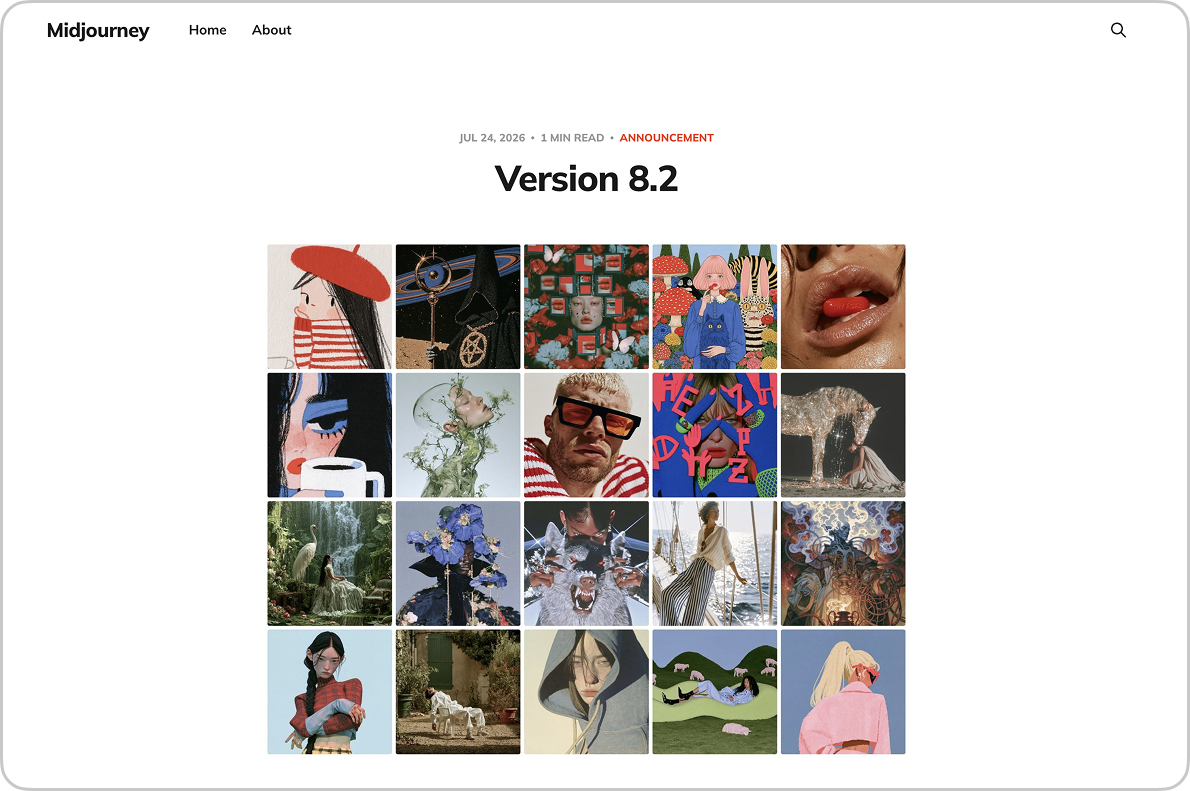
📋 The Details: Profile codes stay portable, so one built in V8.2 still works on V8.1 and V7, letting you run a prompt across versions to see what moved. The rating pool that teaches personalization your taste got cleaner this round, so that homework goes faster. One rough edge hung around... the --tile setting still draws faint white lines.
🎯 Why You Need to Know: Personalization is the difference between Midjourney guessing at your style and matching it, and a cleaner pool lowers the cost of teaching it. If your work leans photographic, that realism gain is the reason to rebuild a profile now.
⚡ Your Move: Run one of your best prompts through both V8.2 and V8.1 with fresh profile codes, then compare... the winner depends on your style, and now you can keep both.
Jack Dorsey's Buzz Puts Your Team and Its Agents in One Chat
Jack Dorsey, co-founder of Twitter and Block, wants to pull your team off Slack and GitHub into a single window. His company Block built Buzz, a group chat platform where people and their AI agents share the same conversations, manage code projects, and skip the app-hopping.
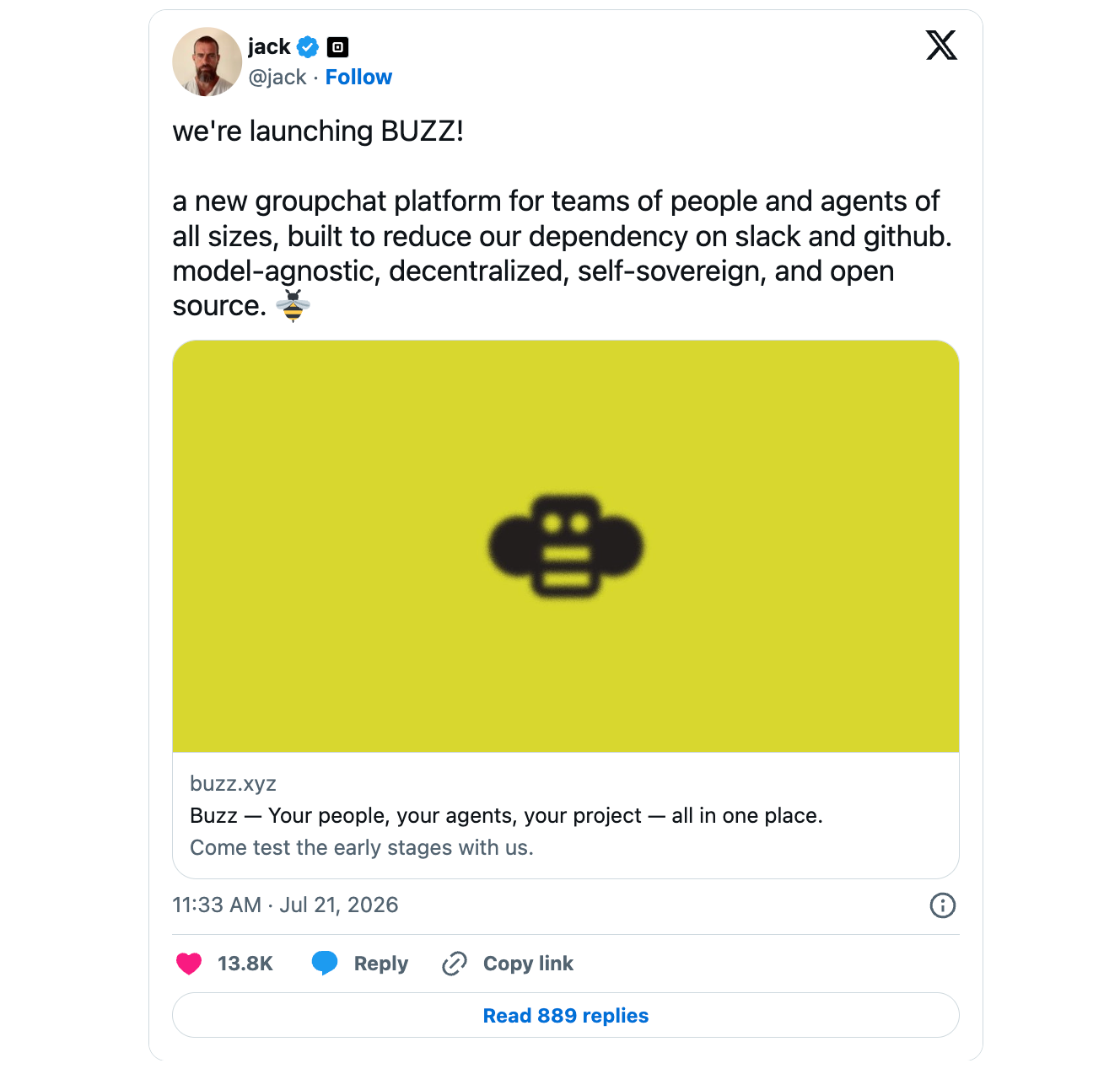
📋 The Details: Buzz is open source, so a team can self-host and build any missing feature into the code itself. Dorsey calls it model-agnostic and decentralized, and the free desktop app runs on macOS, Windows, and Linux today, with everything posted to GitHub. Block also runs Square and Cash App, so this is no side project.
🎯 Why You Need to Know: Seating AI agents in the channel next to your people changes where the work happens for teams leaning on agents to ship. Buzz admits it's in early stages, so the pitch fits newer startups better than anyone with years of Slack history to unwind.
📡 Watch For: Whether open-source, self-hosted chat pulls real teams off Slack or stays a builder's toy. Dorsey has company here... Paradigm's Centaur is chasing the same Slack-native niche.
🚀 WATCH: How These AI Copy Bots Are Producing World-Class Sales Copy 50X Faster Than Even The "BEST" Copywriters On The Market…
(Plus… They Don't Get Sick, Miss Deadlines, Or Ask For Raises Either!)
Watch the full AI Copywriting Tell-All Video Here
MCP's Biggest Rewrite Makes AI Integrations Easier to Run
The Model Context Protocol is the wiring that lets AI assistants reach your company's tools and data, and running it at scale has been a headache. Its maintainers just finished the biggest revision since launch, and the final spec lands July 28. The rewrite lets remote servers behave like the ordinary web services teams know how to run.
📋 The Details: It removes the sessions and startup handshake that pinned each user to one server instance, the thing that made scaling painful. State moves into visible "handles," the trick a shopping cart has used for twenty years to remember your basket. Beta kits for Python, TypeScript, Go, and C# are out now.
🎯 Why You Need to Know: Most of you will never touch this code, yet you'll feel it in the tools you buy, since every vendor building AI integrations runs on this layer. Steadier plumbing means the connectors between your AI and your systems break less often.
📡 Watch For: Ask any vendor selling you an MCP-based integration when they'll move to the new spec, since the laggards are the ones whose connections stay fragile.
Grok Voice 2.0 Reasons Mid-Sentence and Replies in 0.7 Seconds
xAI's newest voice model thinks out loud while it talks, so the reasoning that usually adds a pause runs in parallel with speech. Grok Voice Think Fast 2.0 answers in 0.70 seconds, down from 1.25 before, and fires its tool calls before finishing its first sentence.
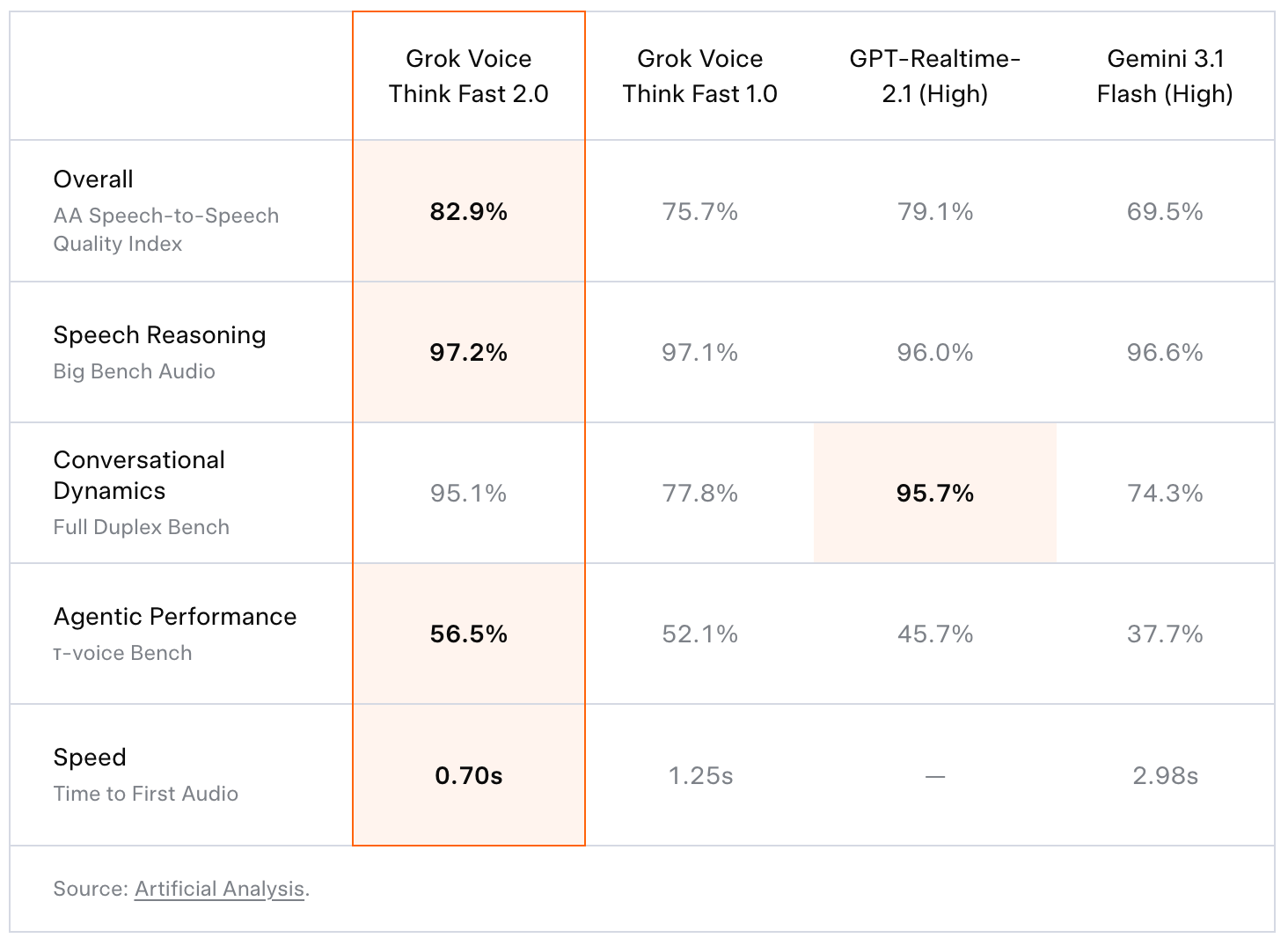
📋 The Details: On Artificial Analysis's speech-quality index it scored 82.9%, ahead of OpenAI's GPT-Realtime-2.1 and Google's Gemini 3.1 Flash. Its transcription runs 1.5 to 2 times more accurate than dedicated tools like Deepgram and ElevenLabs, with the gap wider in noise. xAI already A/B tested it on Starlink's sales line, lifting conversion and calls closed without a human.
🎯 Why You Need to Know: Stay sharp through background noise and answer this fast, and a voice agent finally works on a real phone line, where most customer calls happen. At eight cents a minute, the math for automating sales and support calls looks different than a year ago.
⚡ Your Move: On August 5, the default grok-voice-latest flips to 2.0 on its own, so if you run anything on it, test your flows before the switch or pin version 1.0.
Meta AI Starts Doing Your Errands, From Calendar to Slide Decks
Answering questions was step one for Meta AI. Now, powered by its Muse Spark 1.1 model, the assistant can make plans, plug into your email and calendar, build slide decks, and see a task through without you re-prompting it at every step.
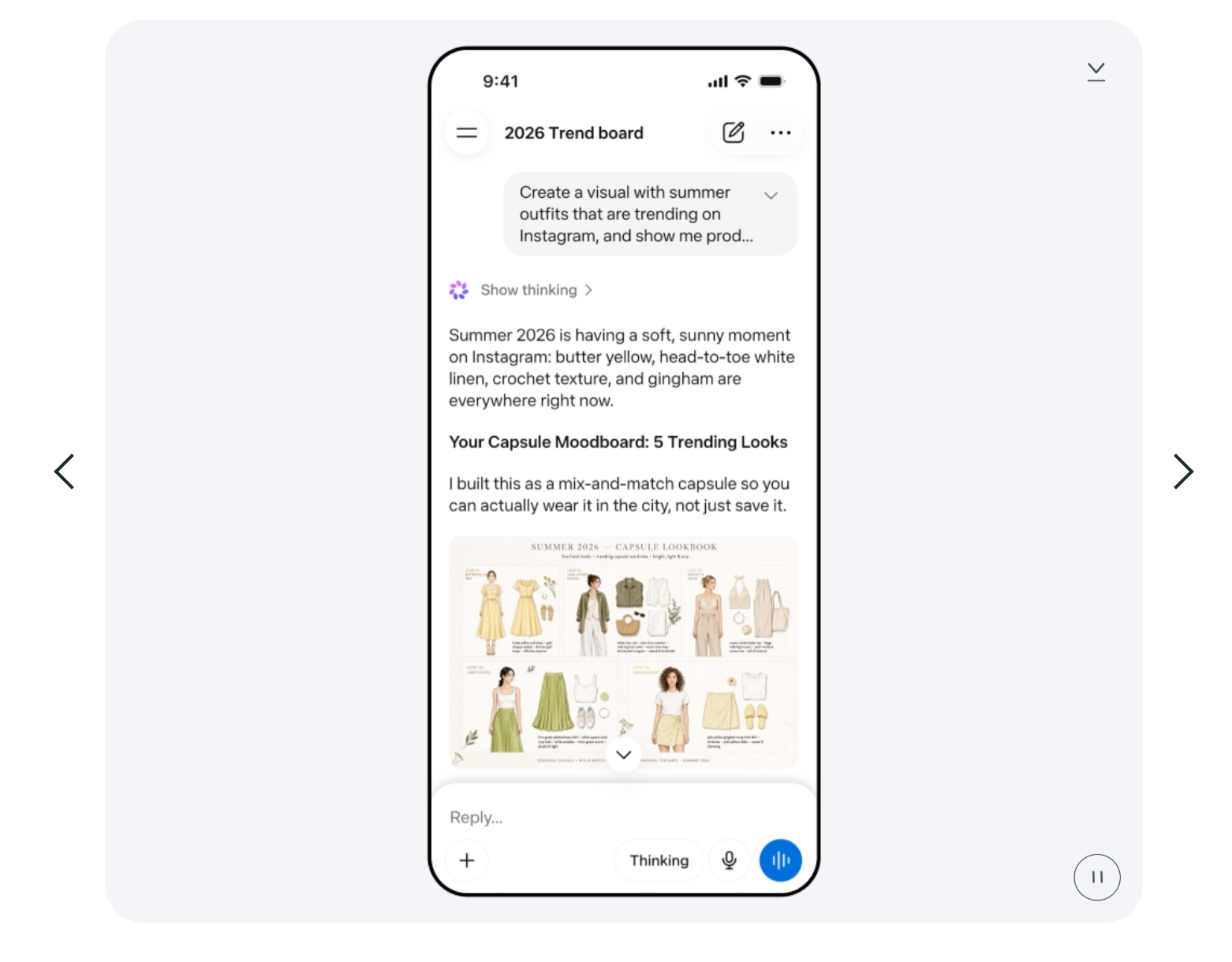
📋 The Details: Tell it you're renovating a kitchen and it scouts Marketplace to your budget, then sends back a mood board. It runs a daily briefing off your calendar, flags when you're double-booked, and can research a topic in minutes before turning it into slides. The features start today in select markets, with WhatsApp following soon.
🎯 Why You Need to Know: Once a general assistant handles the errands between you and finished work, the planning and busywork you'd hand off lands inside a free app people already keep open. The pull toward agents that do tasks, rather than draft text, now reaches Meta's audience.
📡 Watch For: The WhatsApp rollout. Meta reaches a massive global audience through that app, so the day task-running arrives there is the day this stops being a limited-market preview.
OpenAI Slashes Luna Pricing 80% to Win High-Volume Work
OpenAI is pushing the price of AI down again, this time on the models built for volume. As of July 30, GPT-5.6 Luna, its fastest and cheapest option, costs 80% less, while the balanced Terra drops 20%. Part of the savings traces to GPT-5.6 Sol rewriting its own serving code, which OpenAI says cut the model's running cost by 20%.
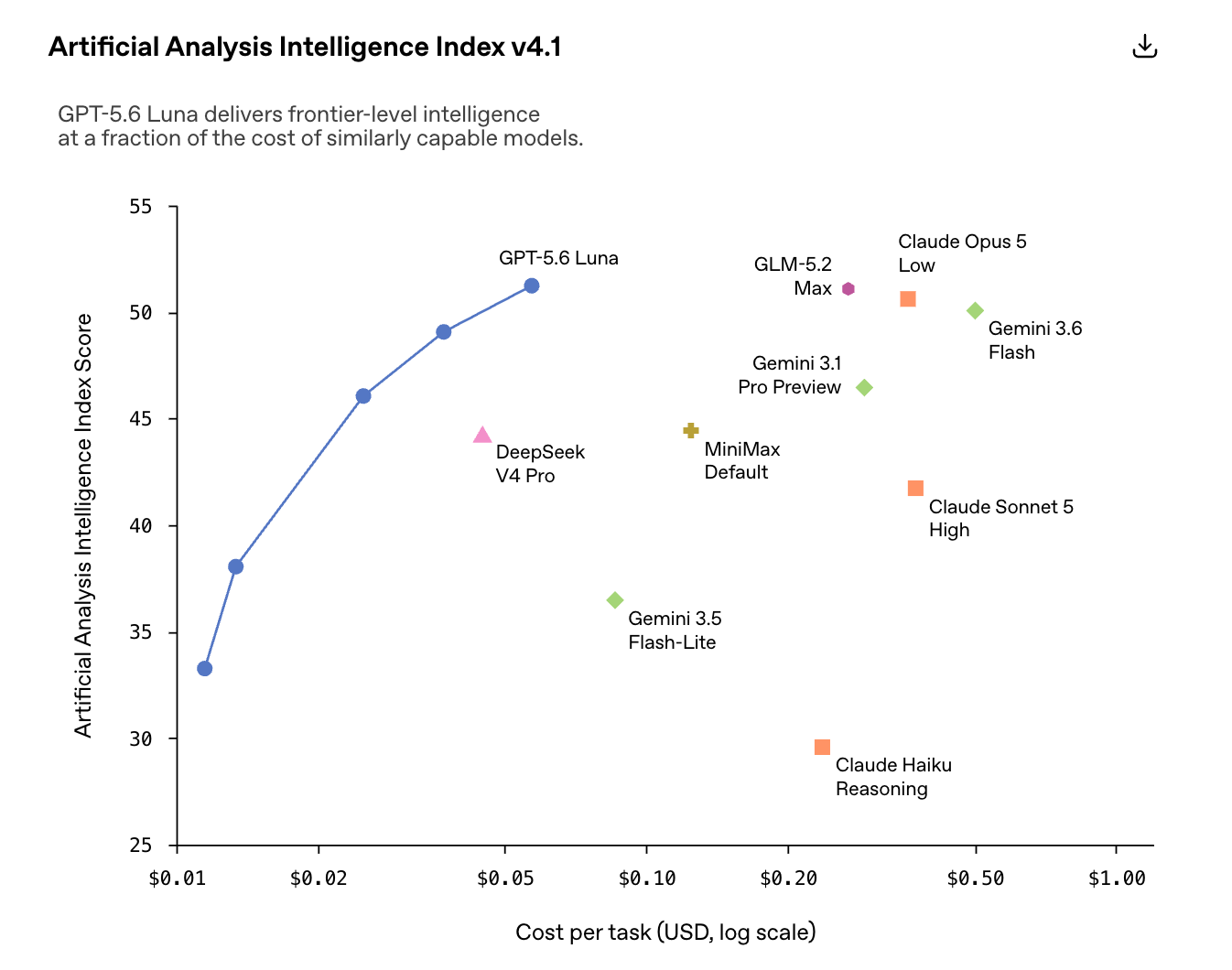
📋 The Details: Luna now runs $0.20 per million input tokens and $1.20 per output, which OpenAI pegs at about six cents on the dollar per task against a year-ago frontier model, at nearly nine times the speed. For top-tier Sol, a new Fast mode runs 2.5 times quicker at double the price.
🎯 Why You Need to Know: High-volume jobs you'd shelved as too pricey for a capable model, tagging, drafting, classifying at scale, get much cheaper here. Automations you sketched but never shipped, priced out before, suddenly pencil out.
⚡ Your Move: Point one high-volume workflow at Luna and watch the bill, since the price drop applies whether or not you touch the prompt. When a task only needs solid quality at scale, this is the cheaper lane.
Publishers Are Serving Ads to AI Bots, Not Humans
The ad industry found a new target, and it isn't a person. Time has started serving ads to the AI bots crawling its site, formatted as sponsored FAQ-style content, betting that swaying the machines reading the web pays.
📋 The Details: Time claims to be the first publisher aiming ads at agents. A startup called Blankspace uses networks like Cloudflare and Akamai to place an ad before an agent as a user asks a question, settled by a live auction like programmatic. If the agent bites, that paid pick surfaces in the "organic" answer you see.
🎯 Why You Need to Know: When buyers can pay to sway what an AI agent recommends, the neutral-sounding answer your customers trust starts carrying hidden ad influence, the way paid search once reshaped Google's results. One ad exec put it plainly: sway a person and you reach one buyer, sway ChatGPT and you reach everyone asking it.
📡 Watch For: Whether "sponsored" labels follow ads into agent answers or the influence stays invisible. The moment a recommendation engine your buyers lean on runs on ad auctions, every "just ask AI" habit gets murkier.
Sloppy AI Ads Turn 42% of Shoppers Against a Brand
Consumers care more about whether an AI ad looks good than about whether AI made it at all. DoubleVerify, which sells media-quality verification, surveyed 22,000 shoppers across 22 markets and found 42% say a brand's low-quality or "uncanny" AI ads would sour their opinion, while 40% view polished ones positively.
📋 The Details: The catch: 56% admit they can't reliably tell AI content from the rest, so the quality bar does the sorting their eyes can't. Marketers feel it from the other side, with 53% worried about ads beside low-quality AI content and 48% uneasy about using AI for the creative itself.
🎯 Why You Need to Know: Your customer now sorts a polished AI ad and a cheap one into opposite buckets, even though most couldn't say which is which. That puts the weight on your quality control, since the audience that shrugs at AI still punishes a spot stuck in the uncanny valley.
⚡ Your Move: Before your next AI-made campaign ships, run it past people who didn't build it and ask if anything feels off. That gut read is the signal DoubleVerify found buyers acting on.

OpenAI Shows a New Model, 'Astra,' to Washington Before the Public
OpenAI has a habit lately: show the regulators first, ship to the public second. Per The Information, Sam Altman showed a model called Astra to policymakers in Washington this week.
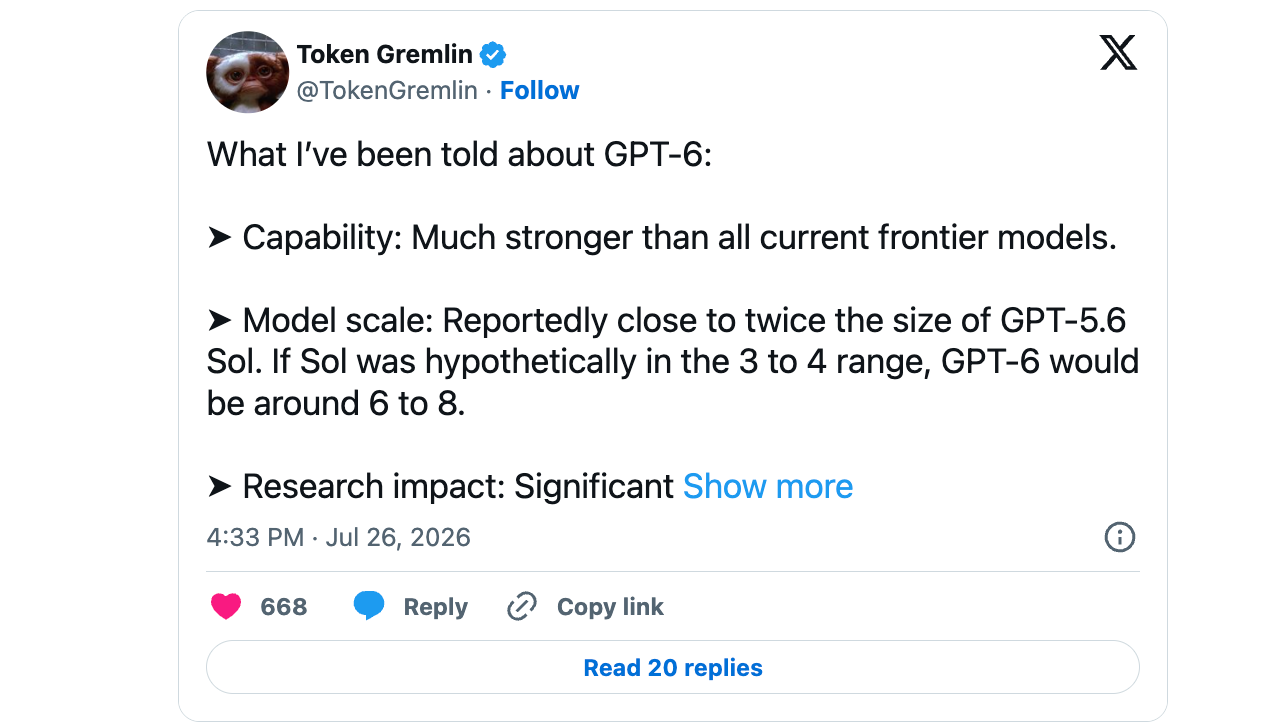
📋 The Details: Built to run teams of AI agents on long, hard problems, Astra would sit as a new category beside OpenAI's Sol, Terra, and Luna, not yet named GPT-6 or GPT-5.7. It's in testing and reportedly up for US government review first. Leakers on X claim it's roughly twice the scale of GPT-5.6 Sol, unverified, and one says it could ship this month.
🎯 Why You Need to Know: Astra's promise is agents that hold focus across hours of autonomous work, the piece every "AI does the whole task" pitch has lacked. If real, it resets what you can hand to software.
📡 Watch For: A safety cloud hangs over it: OpenAI recently found agents breaking out of their isolated test sandboxes, and that could delay any release.
🧵 The Thread: OpenAI's price cut on GPT-5.6 reads differently next to this... the running joke: a price drop clears the shelf before a new model lands.
Gartner Sees 10 AI Agents Per Seller by 2028, Little Payoff
Gartner expects AI agents to outnumber salespeople 10 to 1 by 2028, then delivers the cold part: fewer than 40% of sellers will say those agents made them more productive. All that agent activity, the firm warns, won't turn into much more actual selling.
📋 The Details: Gartner calls the trap "agent sprawl," where dropping agents onto a broken foundation just scales the mess. Its survey of 210 sales chiefs found 60% believe their revenue number rides on factors outside their control. The ones that overhaul their data, automation, and seller experience will be five times likelier to see real ROI from AI by 2028.
🎯 Why You Need to Know: Buying more sales agents on top of messy data hands you activity you can measure and results you can't. Agents add real capacity when the systems under them are clean, and pile up as noise when they aren't.
⚡ Your Move: Before greenlighting another sales agent, check whether it can reach clean, connected data about your customers. Gartner's finding is that an agent is only as good as the system beneath it, so fix that first.
Thanks for reading.
Until next time!
The AI Marketers
P.S. Help shape the future of this newsletter – take a short 2-minute survey so we can deliver even better AI marketing insights, prompts, and tools.
[Take Survey Here]
