
Need to Know News - December 11th, 2025
In this week's Need to Know News edition:
🤖 OpenAI's newest model beats industry professionals at 70.9% of real work tasks … across 44 occupations.
🤖 Ad spending forecasts jump almost 50% as AI-fueled expansion outpaces tariff fears.
🤖 Pinterest acquired a CTV platform to merge 600 million users with TV advertising … a first for performance marketers
And a whole lot more!
OpenAI Drops GPT-5.2, Claims It Outperforms Human Experts
OpenAI just released what it calls its most capable model yet. On a test spanning 44 different jobs, GPT-5.2 beat or matched human professionals 71% of the time.
We're talking spreadsheets, presentations, coding, the works. The company says ChatGPT Enterprise users already save up to an hour daily, and power users claim 10 hours a week.
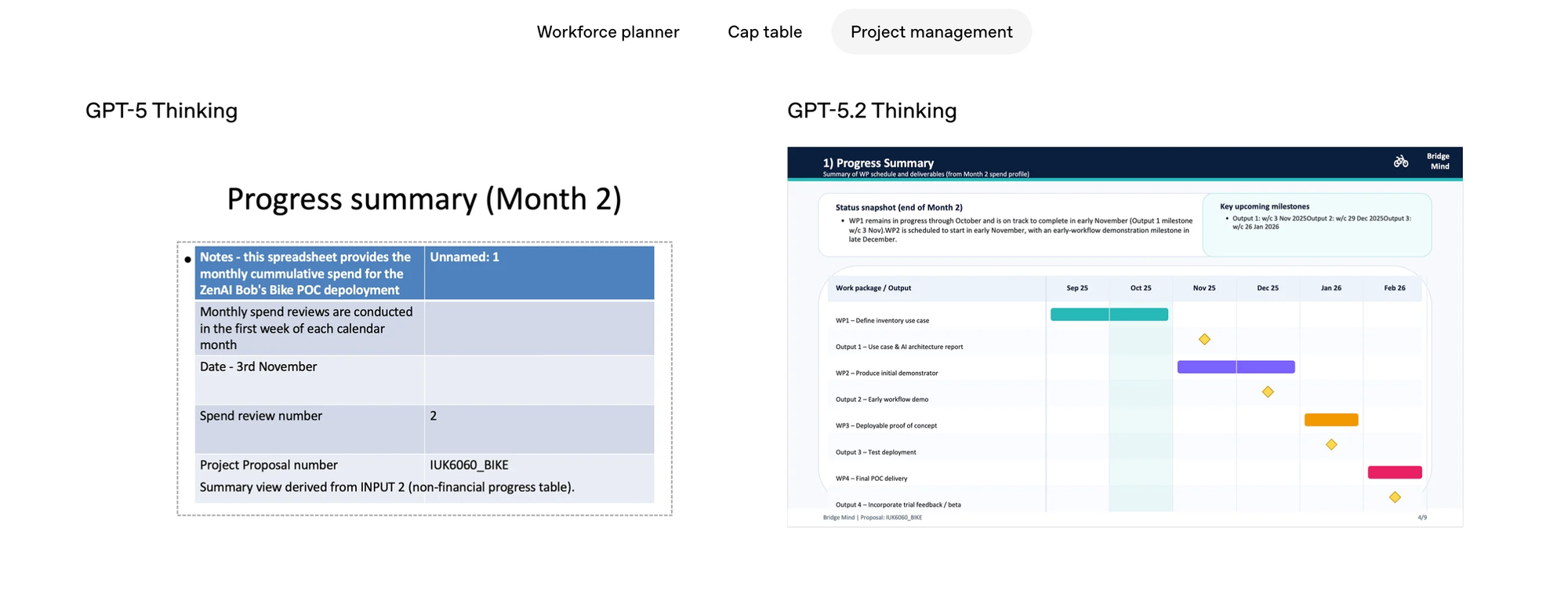
But the real flex? A perfect score on competition math and dramatically better handling of long documents. Companies like Shopify and Notion tested it early and started replacing their complex multi-agent systems with this single model.
Ad Spending Forecasts Jump as Tariff Worries Fade
Remember those dire tariff predictions? Turns out the damage was overblown. WPP Media bumped its global ad growth forecast to 8.8% for this year, up from 6% in June. Trade negotiations produced softer rates than the headlines suggested.
AI money is also flooding in. Startups with fresh funding are spending big on marketing, and search advertising keeps spreading into chatbots and retail platforms like Amazon. Content ads still take the biggest slice of revenue, but that share is shrinking every year as newer categories grow faster.
🚀 Don't Spend Another Penny on Ads Without These 5 'Copy Blocks'
Two $100+ million copywriters discovered what REALLY drives conversions—5 simple building blocks arranged in a specific order. This framework is so powerful that beginners are generating 5-figure profits with it. And you can learn the full system in just 33 minutes.
Discover All 5 'Copy Blocks' Now
Stripe Launches Suite to Help Businesses Sell Through AI Agents
Building custom connections to every AI shopping bot used to eat up six months per platform. Stripe built a shortcut. Their Agentic Commerce Suite lets you plug in your product catalog once, then flip a switch to sell through whichever AI agents you choose. Discovery, checkout, payments, fraud detection, all handled.
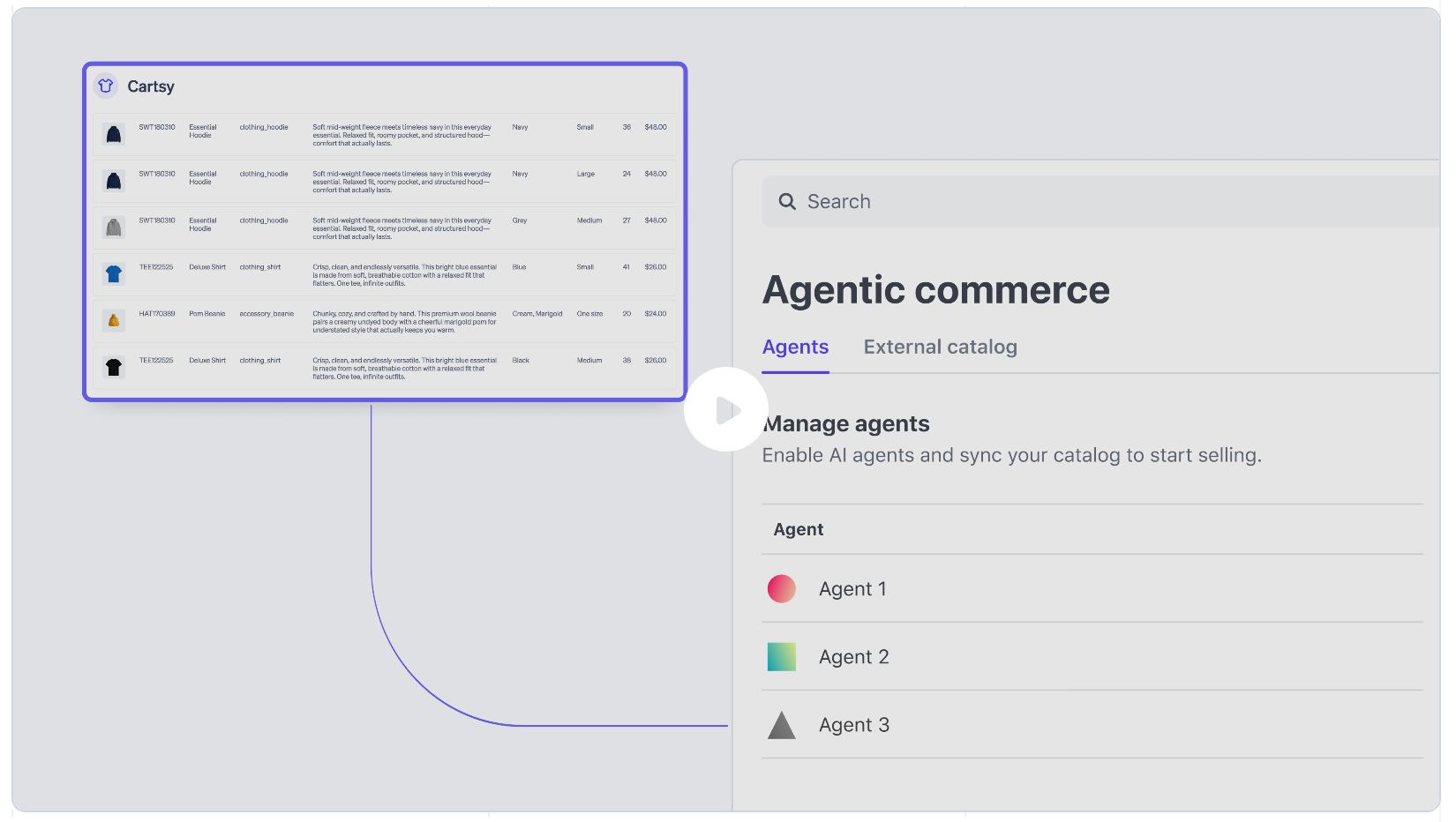
There's also a new payment type called Shared Payment Tokens. These let AI bots process purchases without ever seeing actual card numbers, which should cut down on fraud and disputes.
Google Will Add More Source Links in AI Mode Search
ssure from publishers is changing how Google handles AI search. The company says it will add more clickable links inside AI Mode responses, plus AI-written explanations about why each source matters. This comes days after European regulators opened an investigation into whether Google fairly compensates the websites it scrapes.
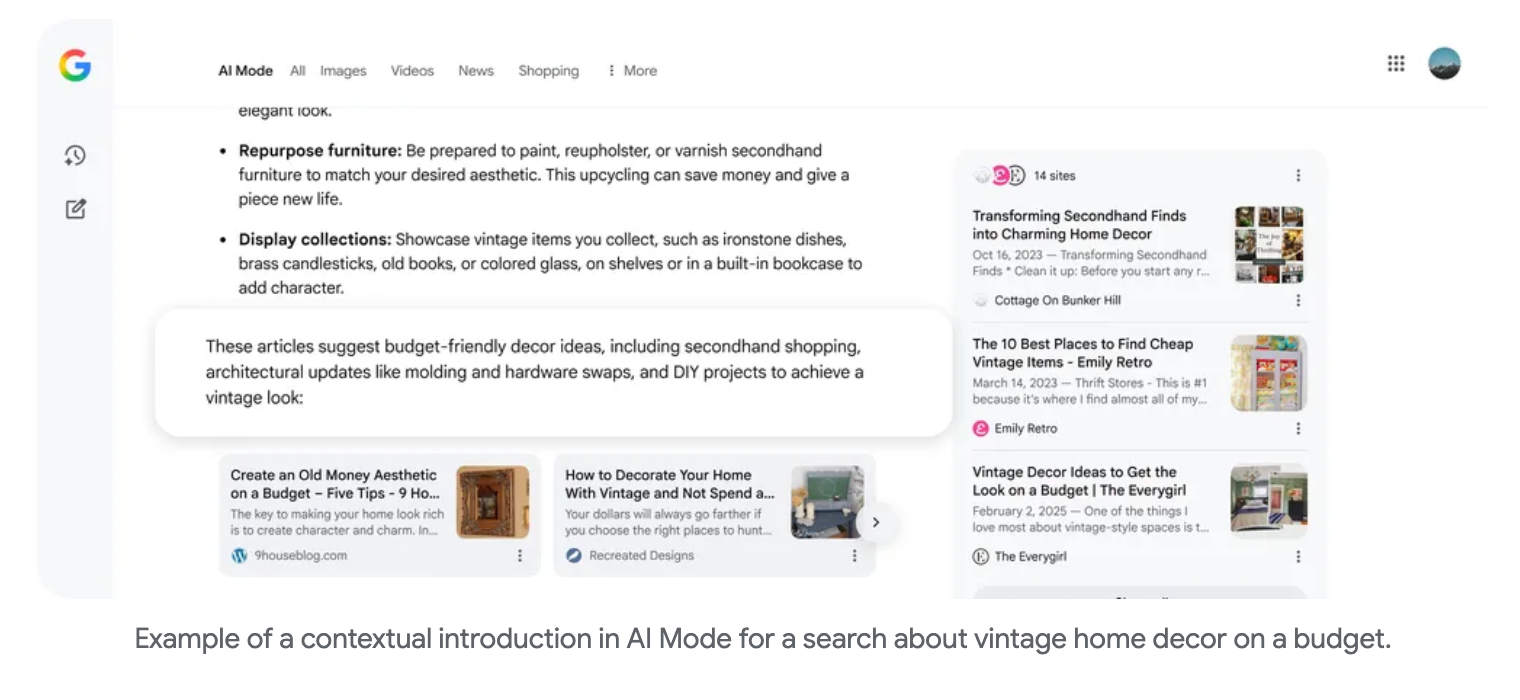
Google disputes claims that AI summaries hurt traffic, saying clicks have stayed stable. Meanwhile, a pilot program with outlets like The Guardian and Washington Post is testing AI-generated article previews inside Google News.
Instacart Becomes First App to Offer Checkout Inside ChatGPT
Grocery shopping now happens inside a chatbot. Instacart launched the first app that lets you browse, build a cart, and pay without ever leaving ChatGPT. Just ask for dinner ingredients and the AI checks real-time stock at 1,800 nearby retailers.
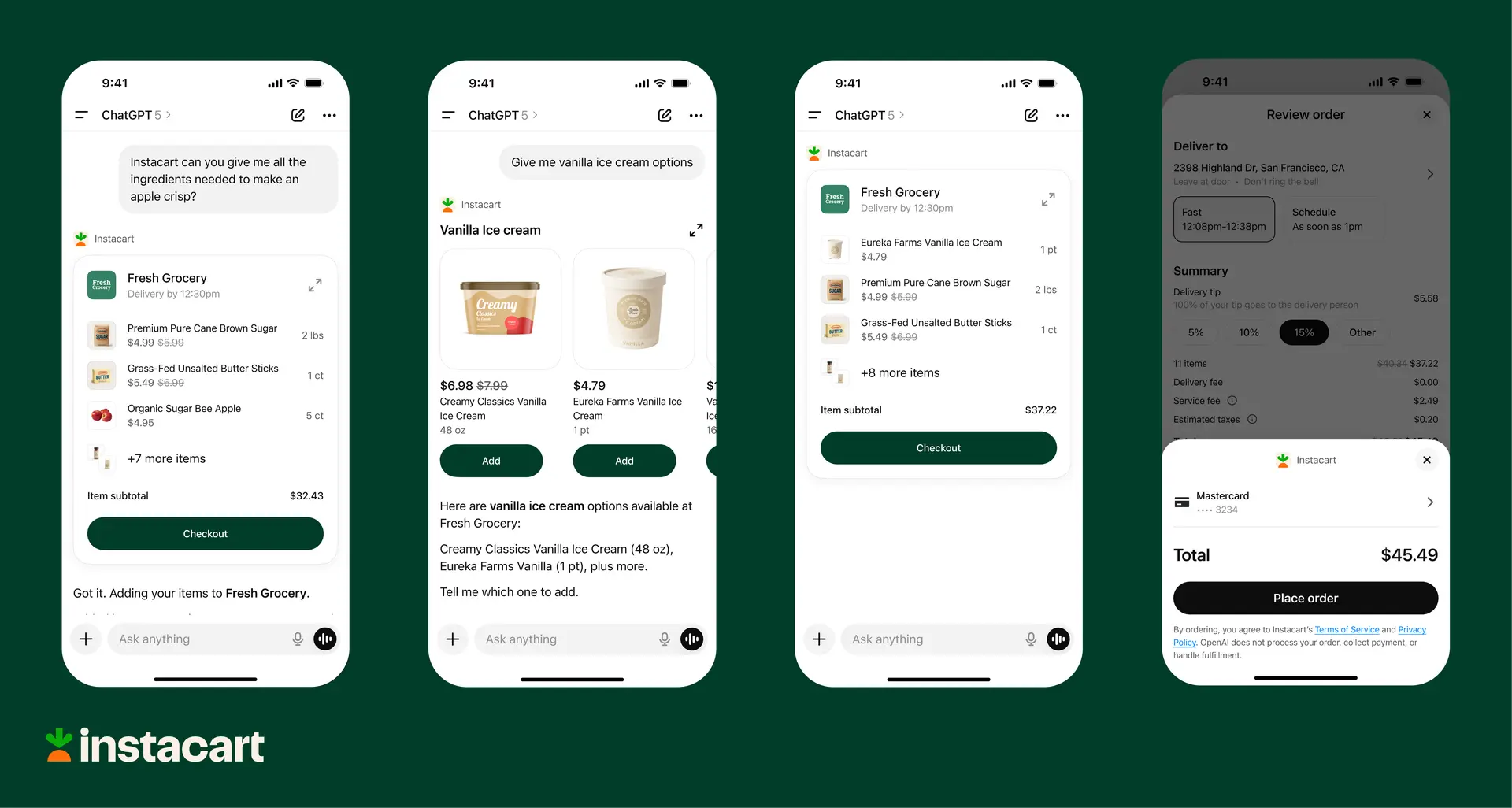
When you're ready, Stripe handles payment right in the conversation. Orders can show up in 30 minutes. This is what the industry calls agentic commerce, where AI handles the entire buying process from idea to delivery. Instacart is betting this becomes how everyone shops eventually.
Claude Code Moves Into Slack for Full Coding Workflows
Anthropic wants developers to stop switching between apps. Their new Slack integration lets you tag @Claude and kick off a full coding session right from a chat thread. The AI reads bug reports, picks the right repo, posts updates, and opens pull requests. Previously, Claude in Slack only helped with quick fixes and explanations.
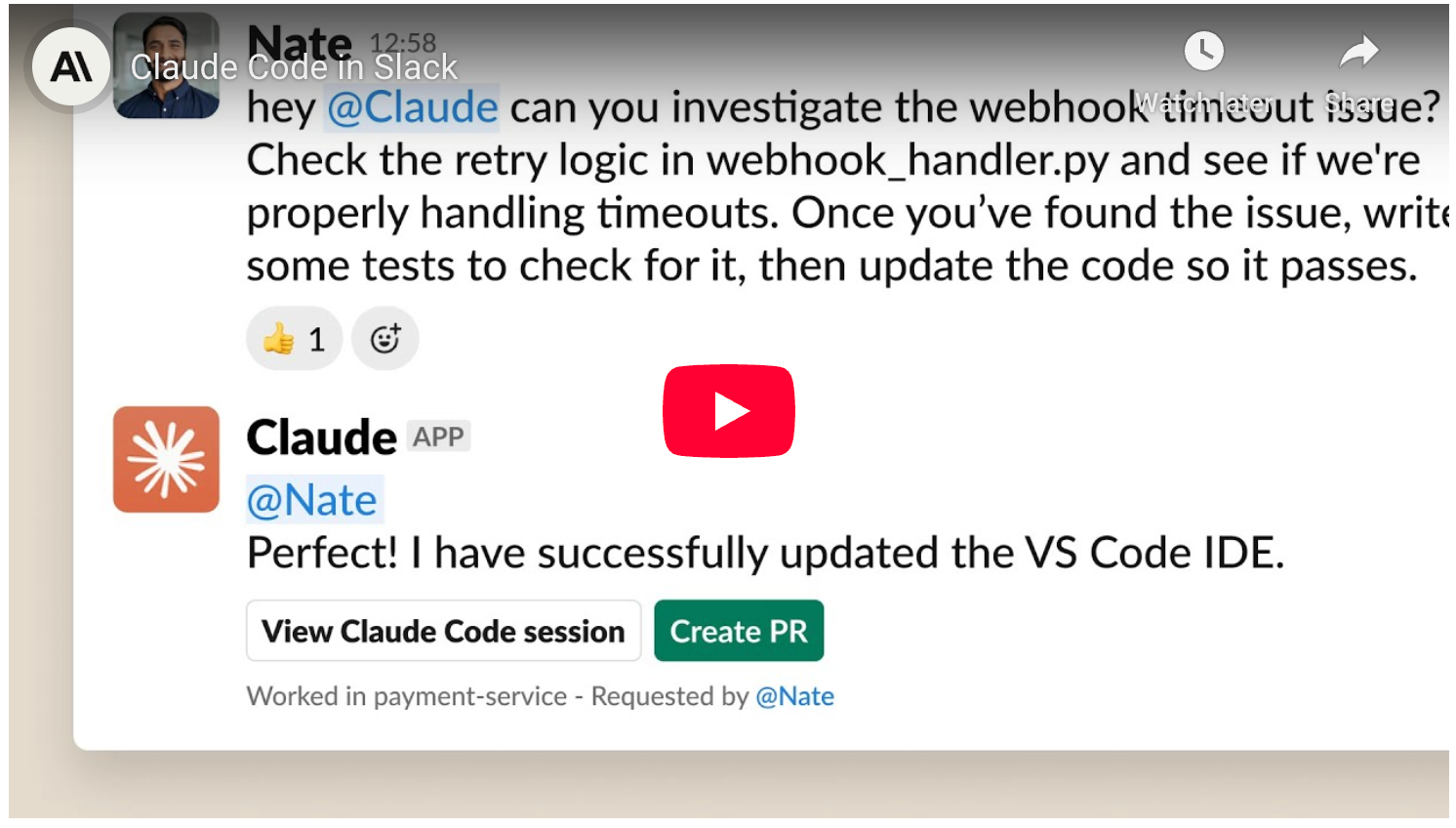
This upgrade signals something bigger though. AI coding tools are leaving traditional development environments and embedding themselves where teams already communicate. Whichever tool dominates Slack could end up shaping how software actually gets built.
Figma Adds AI Tools to Erase, Isolate, and Expand Images
Designers constantly bounce between Figma and other apps just to tweak images. That friction is what drove these three new tools. Say you need to remove a trash can from a product shot. Now you just lasso it and it's gone. Need to pull a person out of a busy background? The isolate tool handles that without touching anything else.
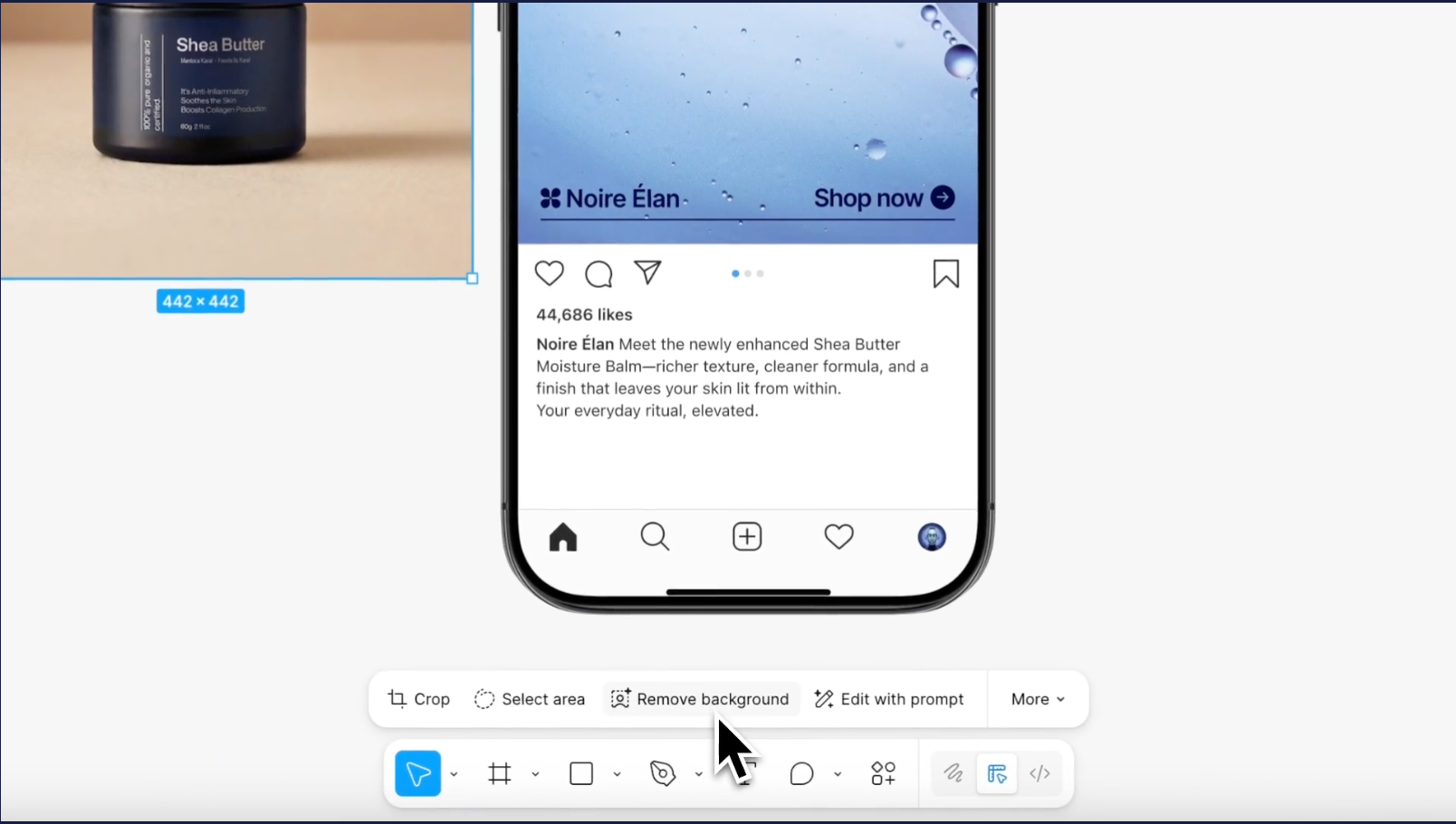
And when a square photo needs to fit a wide banner, the expand tool stretches the canvas while keeping the subject intact. Figma noticed how much people relied on Remove background and decided to round out the toolkit.
Pinterest Buys tvScientific to Measure TV Ad Performance
TV advertising has always been hard to measure. You run a commercial and hope something happens. Pinterest thinks it can fix that. The company is buying tvScientific, a platform that ties connected TV ads directly to outcomes.
Pinterest knows what 600 million users are planning to do based on what they save to boards. Layering that intent data onto TV campaigns gives marketers a clearer picture of what's actually working. The deal should close in early 2026, starting with U.S. rollout.

Google Plans AI Glasses for 2026 to Challenge Meta
After years on the sidelines, Google is jumping back into smart glasses. The company partnered with Samsung, Warby Parker, and fashion label Gentle Monster to build AI-powered frames launching next year. Some will be audio-only for chatting with Gemini. Others get a small in-lens display for directions and translations.
Co-founder Sergey Brin owned up to past failures, blaming weak AI and high prices. Meta's Ray-Ban glasses caught everyone off guard with their success, so Google is clearly playing catch-up in a market that's heating up fast.
Disney Invests $1 Billion in OpenAI, Licenses 200 Characters to Sora
Mickey Mouse, Moana, Yoda, and over 200 other characters are heading to AI video generation. Disney signed a three-year licensing deal with OpenAI and threw in a billion-dollar investment. Starting early next year, Sora users can create short clips featuring these icons. Some will even appear on Disney+.
The Writers Guild isn't celebrating though. Union leaders say the deal legitimizes a company that trained its models on creative work without permission. One animation exec warned this could become a zero-cost content pipeline for a paid streaming service.
Thanks for reading.
Until next time!
The AI Marketers
P.S. Help shape the future of this newsletter – take a short 2-minute survey so we can deliver even better AI marketing insights, prompts, and tools.
[Take Survey Here]
