
Need to Know News - November 19th, 2026
In this week's Need to Know News edition:
🤖 Kling’s newest image model delivers photo-real product shots with lettering that stays crisp... and a single prompt can produce far more than one picture.
🤖 Google’s Gemini 4 Neon tackles research and reports at near top-model quality for less... plus subscribers will find it waiting in a familiar menu.
🤖 BigCommerce stores can switch on a branded AI assistant that answers shoppers mid-browse... while giving merchants a fresh window into what customers want.
And a whole lot more!
GPT-6.2 Astra and Sol Promise More Polished Work From the Same Plan
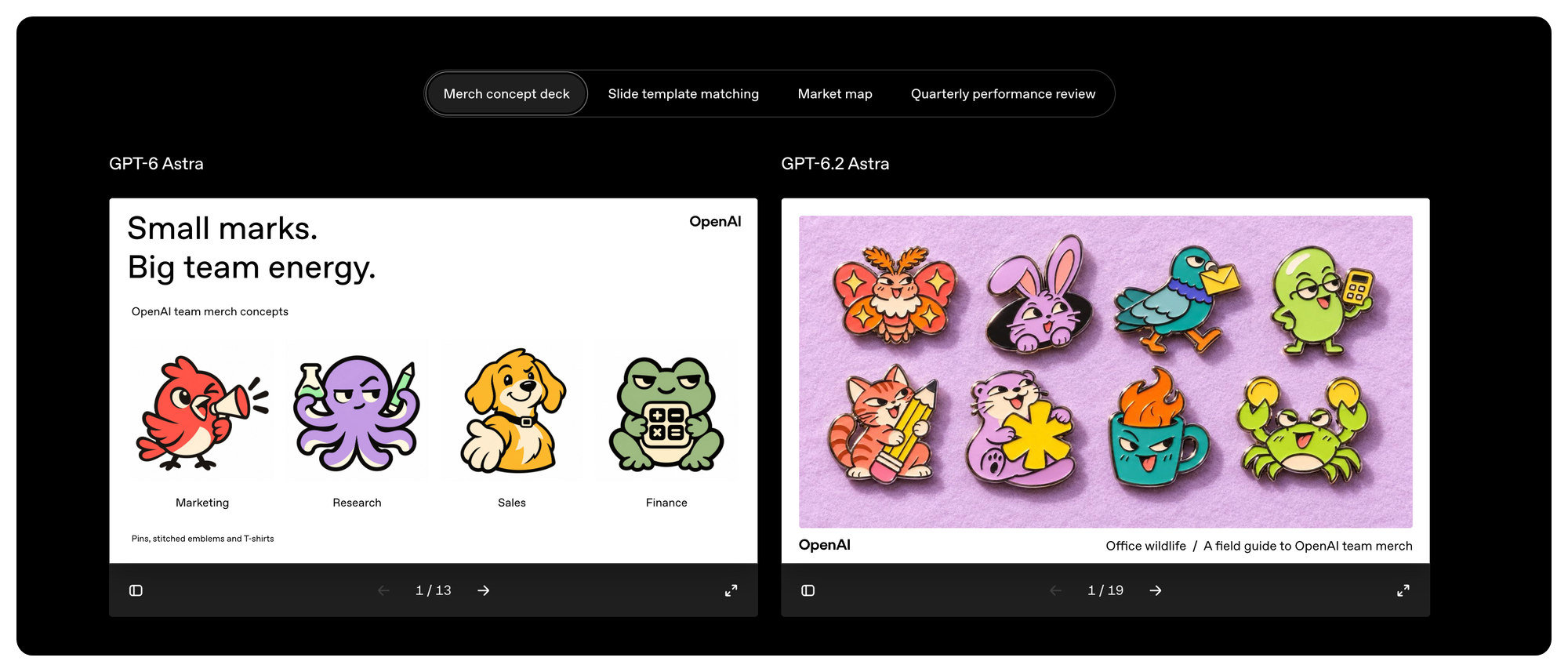
OpenAI's latest release takes aim at the giveaways of AI-made work, like slide titles that say nothing and a template ignored by slide two. The new flagship, GPT-6.2 Astra, turns out slides and spreadsheets that read less like AI and follow the format you give them. A cheaper sibling for everyday jobs, Sol, launched alongside, and both get more done inside your plan's usage limits.
📋 The Details: Plus and Pro subscribers have both models in ChatGPT Work and Codex now, and Enterprise and Edu teams get them once an admin switches them on. Astra's API rates dropped 20% as well.
🎯 Why You Need to Know: You should spend less time fixing what it hands back. Astra can copy a slide template from the original file or even a screenshot, matching the layout down to the exact font size.
Early testers said the finished decks needed fewer edits, and the writing got more direct. Given a product test to write up, Astra's memo opens with the verdict leadership needs, while the older model's opens on a flattering 42.9% jump.
⚡ Your Move: Hand Astra the results of your last campaign test and ask for the one-page memo you'd normally write for the client. Tell it who's reading and what they have to decide, since leading with that answer is what this version got better at.
Bustle's Parent Company Sells Brands Articles Written for AI to Cite
Getting read used to be the whole job of a sponsored article. Bustle Digital Group, the publisher behind Bustle and Scary Mommy, now sells brands one with a second job: getting cited by ChatGPT and Gemini when shoppers ask what to buy. At least three brands have paid for one.
📋 The Details: Before anyone writes a word, BDG and its measurement partner, Profound, spend two to four weeks on homework. They pick eight to 10 topics the brand cares about and run 25 to 50 prompts on each to see who the answer engines cite today. Only then do AI agents draft briefs for BDG's editors. Each finished article gets a paid push on Reddit, still a major source for these engines.
🎯 Why You Need to Know: If you sell AI visibility work, study the proof BDG puts in front of clients. It's all visibility for now, and Profound's head of insights says AI influence doesn't yet connect cleanly to the sale.
Even so, Innisfree's visibility across 200 skincare prompts grew 30%, and Pampers moved from #2 to #1 for fragrance-free diaper questions after one Scary Mommy explainer.
📡 Watch For: BDG's Graham Howes says this content has a half-life, so yearlong, always-on campaigns are on the table. A brand signing up for one would make AI visibility a standing line in the marketing plan.
🚀 WATCH: How These AI Copy Bots Are Producing World-Class Sales Copy 50X Faster Than Even The "BEST" Copywriters On The Market…
(Plus… They Don't Get Sick, Miss Deadlines, Or Ask For Raises Either!)
Watch the full AI Copywriting Tell-All Video Here
Google Makes Gemini's Errand-Running Agent Free for Hundreds of Millions
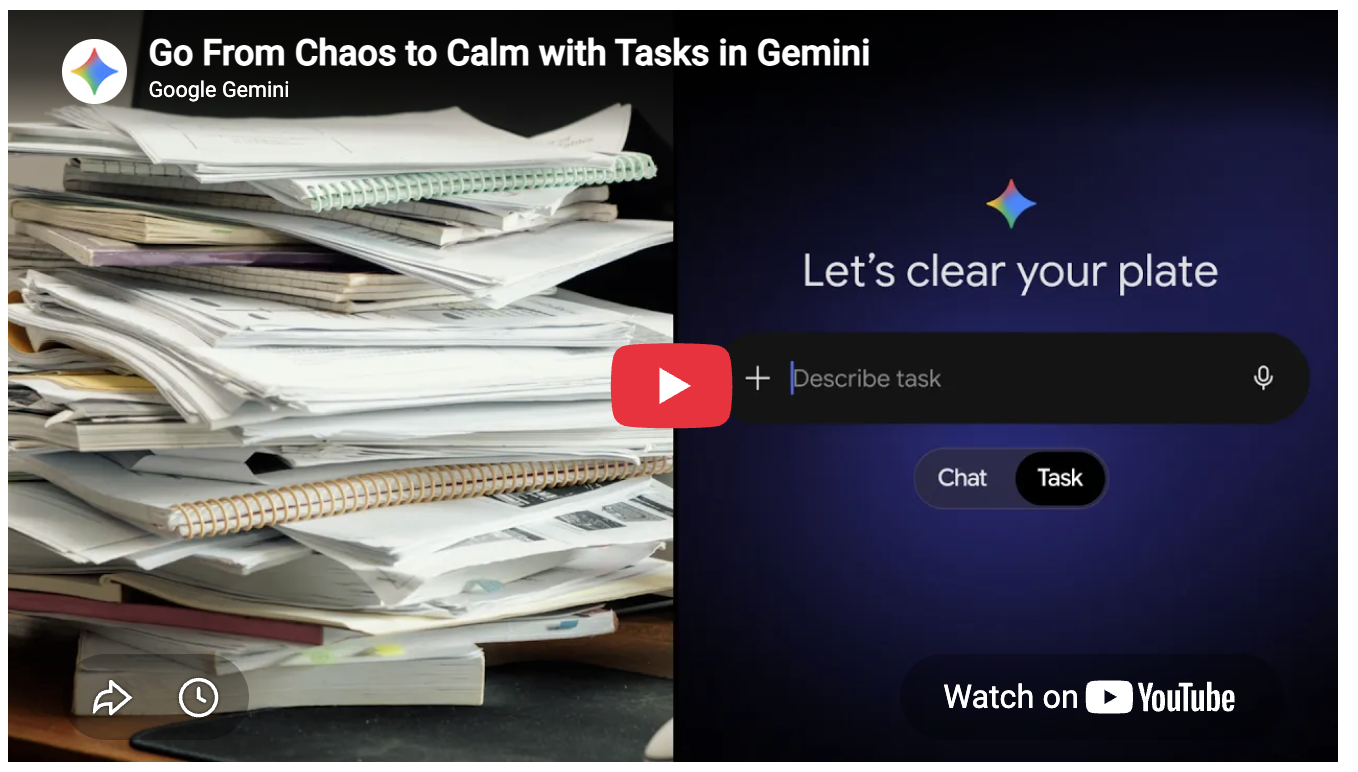
On Tuesday, Google began making Tasks in Gemini free for hundreds of millions of people across six countries, the US included. Tasks is the mode where Gemini phones a business for someone, or shops and pays at checkout. Plenty of them are your customers, so some of your bookings and orders will start arriving through an AI.
📋 The Details: Gemini app chief Josh Woodward's demo started with a check-engine light. He asked Gemini to get his minivan serviced, and it rang two dealerships at once and had a Friday slot on his calendar within five minutes. Gemini told both dealerships up front that it was an AI, and if you'd rather not take those calls, Google lets your business opt out.
🎯 Why You Need to Know: Calls are only half of what's headed your way, because Gemini also buys things. It compares products through Google's Shopping Graph and pays with Google Pay. Google concedes the web isn't fully ready for a customer like this. On some sites, Gemini gets most of the way through an order, then hands the screen back for the final click.
⚡ Your Move: Open Gemini and flip the toggle from Chat to Task. Ask it to buy something from your store or book a slot with your business, and note the step where it stalls. A real customer's assistant will stall there too.
Kling Image 4.0 Chases Camera-Grade Realism and Text You Can Read
Kling, best known around here for AI video, has a new image model tuned for pictures that have to sell something. In Kling Image 4.0, people and products come out looking photographed, and the words on a poster or product page stay sharp down to the small print.

📋 The Details: Resolution gets the headline number, with native 8K images that leave you room to crop without the detail falling apart. You'll probably get more use out of the text upgrade. A single image can hold up to 2,000 characters, and you can edit the copy and font styles right on the generated image. That beats regenerating a whole ad to fix one typo, and every Kling Creative Studio user can try it now.
🎯 Why You Need to Know: Sellers get the most out of the new set feature, because one prompt returns up to 10 images that share a style while each keeps its own focus.
Kling suggests it for product showcases and e-commerce ads, the kind of matching series you'd otherwise have to shoot together. The long-form mode goes further, laying out a product detail page's whole scroll as one image.
⚡ Your Move: Borrow Kling's test prompt, "Create an e-commerce product detail page for a perfume," and swap in your product. Then zoom all the way in and proofread the smallest text on the page.
More Than 3,000 Publishers Form a Nonprofit to License Content to AI
The music business got out from under Napster by licensing songs in bulk to services like Spotify. A group of more than 3,000 media brands and publishing platforms thinks the same fix fits AI. Their new nonprofit, the Internet Licensing Collective, sells AI companies one blanket license to its members' content, so nobody has to negotiate site by site.
📋 The Details: Yahoo Scout, Yahoo's new AI answers tool, is the first to pay up. Publishers who join pay nothing and give up nothing, since members choose which licenses to approve and keep any direct AI deals they've already struck. The collective takes its operating costs off the top, projected at 10% or less, and passes the rest to rights holders.
🎯 Why You Need to Know: Your blog or business site could sit in that pool, and the pool could get deep. Mather Economics ran the numbers in a study the collective says it didn't fund. It estimates AI companies would pay 15% to 35% of their revenue to keep access to licensed content.
📡 Watch For: Mather built its estimate on revenue from the two biggest frontier AI models, and neither maker is a licensee yet. One of those names in the collective's next announcement would change the math. Until then, the checks depend on a single new answers tool.
Google's Gemini 4 Neon Does Heavyweight Analysis at Middleweight Prices
Google's Gemini 4 family already had Carbon for the hardest, longest projects and Hydrogen for quick everyday jobs. Neon, out Wednesday, fills the space between them, reasoning close to the level of the biggest models while answering faster and costing less per task.
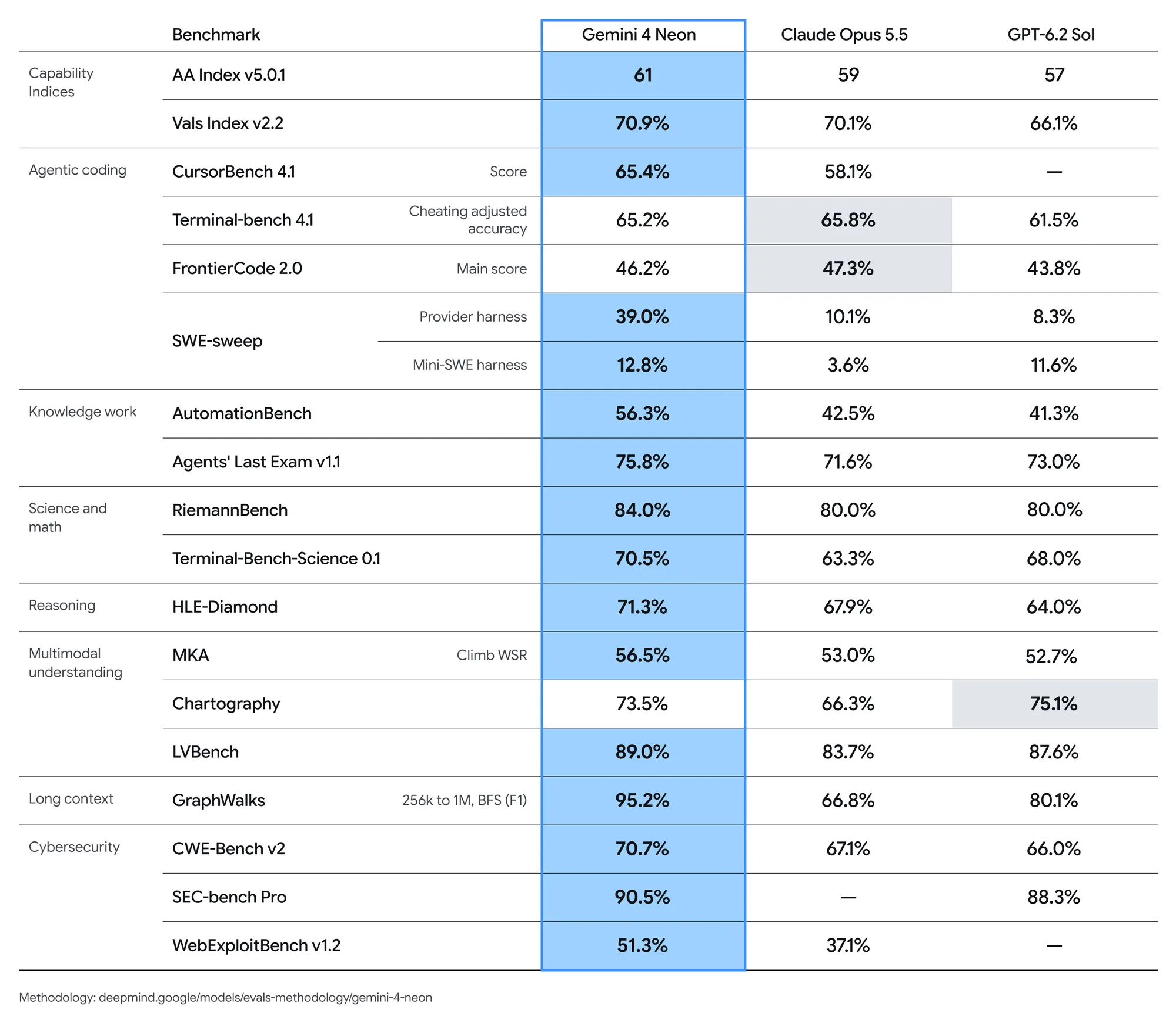
📋 The Details: Glean, which tested it early, found Neon matched or beat Carbon on quality at three times the speed and 60% of the cost. You can judge that for yourself if you subscribe to Google AI Pro or Ultra, because Neon is already in the Gemini app's model drop-down.
🎯 Why You Need to Know: Google is aiming Neon at the reading-heavy work that fills your week. It reads uploaded spreadsheets and PDFs more precisely and pulls in details from your Gmail and Docs as it turns dense material into a report. Google also says Neon logged its lowest fabrication rate yet in internal testing, which matters when the report is going to a client.
⚡ Your Move: Next time you're choosing between vendors, upload their proposals to Neon and ask for a side-by-side with current pricing from the web. Halfway through, change one requirement. Neon ranked second on an outside test of adjusting to mid-task corrections, so you shouldn't have to start over.
🧵 The Thread: Google's newly free Gemini errands run on Hydrogen, and paying subscribers can now hand those same tasks to Neon.
BigCommerce Lets Merchants Put a Branded AI Shopping Agent on Their Storefront
BigCommerce stores are getting the online version of a sales associate. Shopping Agent, new from parent company Commerce, sits on your storefront and answers shoppers in your brand's voice. That includes the size and fit questions that would otherwise end in a closed tab.
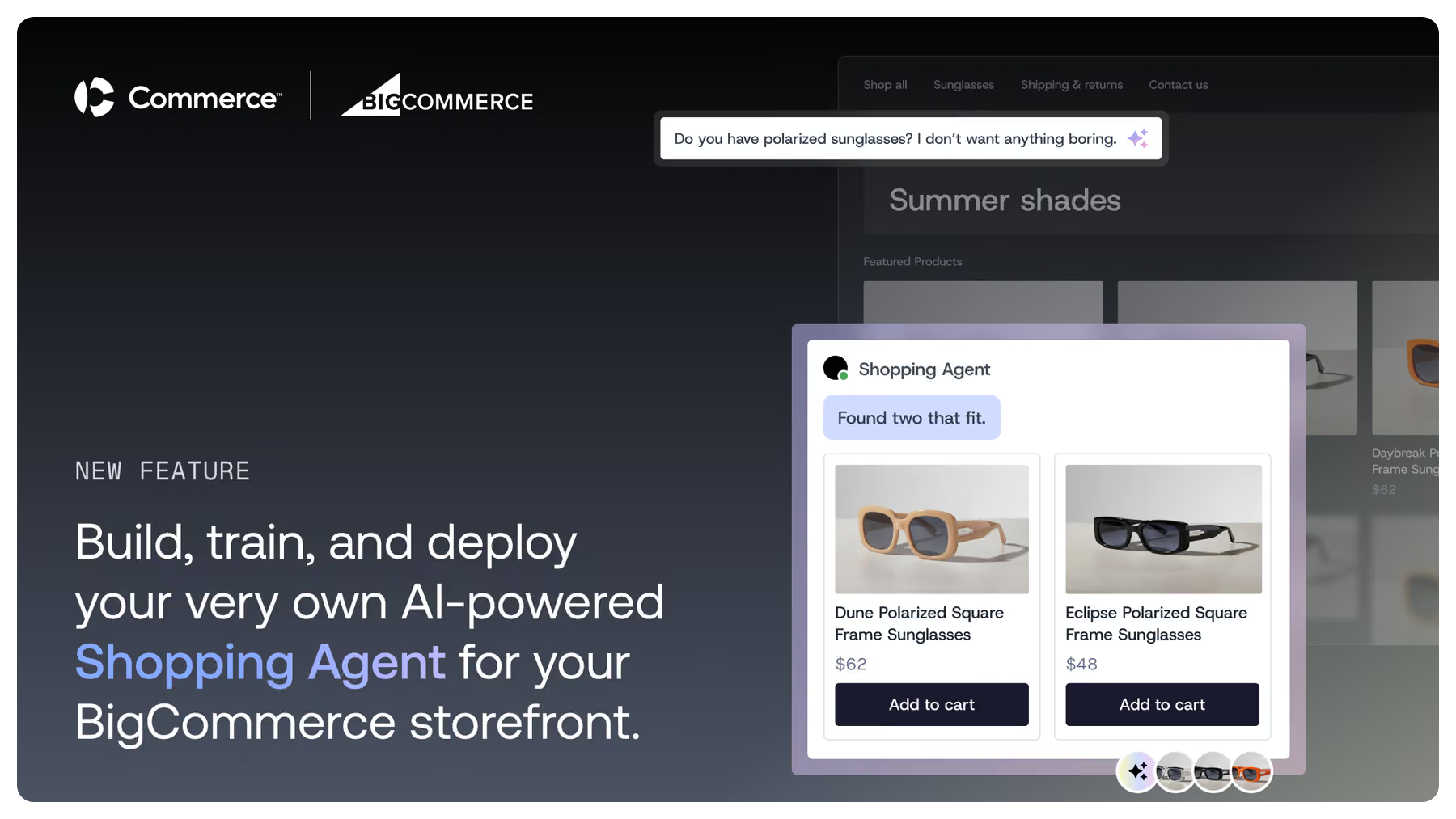
📋 The Details: You turn the agent on with a toggle in the BigCommerce control panel, and Commerce says merchants can be live within hours. That's good timing, with the rollout to eligible merchants starting ahead of the holiday selling season. Once it's running, it answers only from your store's data, and when it can't verify something, it declines to guess.
🎯 Why You Need to Know: Every chat doubles as customer research, because the reporting lets you review conversations one by one and sort them by sentiment. Read enough of them and you'll have a running list of the questions your product pages aren't answering. As for the sale itself, the agent stops at the cart and leaves checkout to the shopper.
⚡ Your Move: If you sell on BigCommerce, switch it on before the holiday rush. After a week of chats, read the transcripts and put answers to the most-asked questions on the product pages themselves.
🧵 The Thread: Leaving checkout to the shopper fits Pinterest's YouGov poll, where 92% wanted the final say.
Suno's New Visuals Tool Turns Songs Into Lyric Videos and Album Art
Suno keeps stretching past music. After October's Speech launch for spoken audio, its newest tool, Visuals, makes images and short video clips to go with a track, from album art to lyric videos. So if Suno already makes your ad jingle or podcast intro, that audio can now arrive with something to watch.

📋 The Details: Suno tuned the video model around the music, so a clip follows your song's structure and lip syncs to the lyrics. To make one, you drag a song from your library into the Visuals tab. Out comes a clip of up to 15 seconds, which you can extend or re-prompt. Visual credits are sold separately from song credits, so price that in first.
🎯 Why You Need to Know: Before you pitch this for client work, know where Suno's guardrails sit. Filters block prompts and uploads that depict public figures or copyrighted works, and Suno warns that prompts which work on other video platforms may fail here on purpose. That makes your own product shots or Suno's original characters the safer starting point. Finished clips also carry an embedded watermark off the platform.
⚡ Your Move: Take the jingle or intro track with the clearest hook and make a 15-second lyric clip of just that part. Check that the words on screen land with the beat before you spend credits extending it.

Americans Will Hand AI the Chores, and 92% Still Want the Final Say
Your customers have sorted their shopping into two piles, and AI is only invited into one of them. A new YouGov poll finds Americans glad to let an agent handle the dull restocking runs, while the purchases they care about stay theirs. Pinterest paid for the survey, so it's no shock the results flatter a platform built on browsing.
📋 The Details: YouGov polled 1,073 US adults in October, and 92% said they want to make the final decision on what to buy, with or without AI's help. They aren't shutting AI out, since 39% want it involved in at least one step of a purchase. Only 11%, though, would be happy letting an assistant do all of their shopping.
🎯 Why You Need to Know: More than half of Americans, 57%, see a real difference between buying day-to-day items, which they call a chore, and looking for things they love. Browsing still sells in that second pile, too: 79% have bought something new they found just by looking around. So the photos and product pages that feed the wandering are still earning their keep.
⚡ Your Move: Go down your product list and mark each item as a chore or a treat. Make the chores easy for an AI agent to reorder, and save your best photography and room to browse for the treats.
Claude Joins Google Meet Calls and Starts the Work Before You Hang Up
Claude has started showing up to meetings. Anthropic's new Claude Meetings beta puts it on your video call as a visible participant, and the notes and action items become its job. Claude also follows the discussion closely enough to start the work while everyone's still talking.
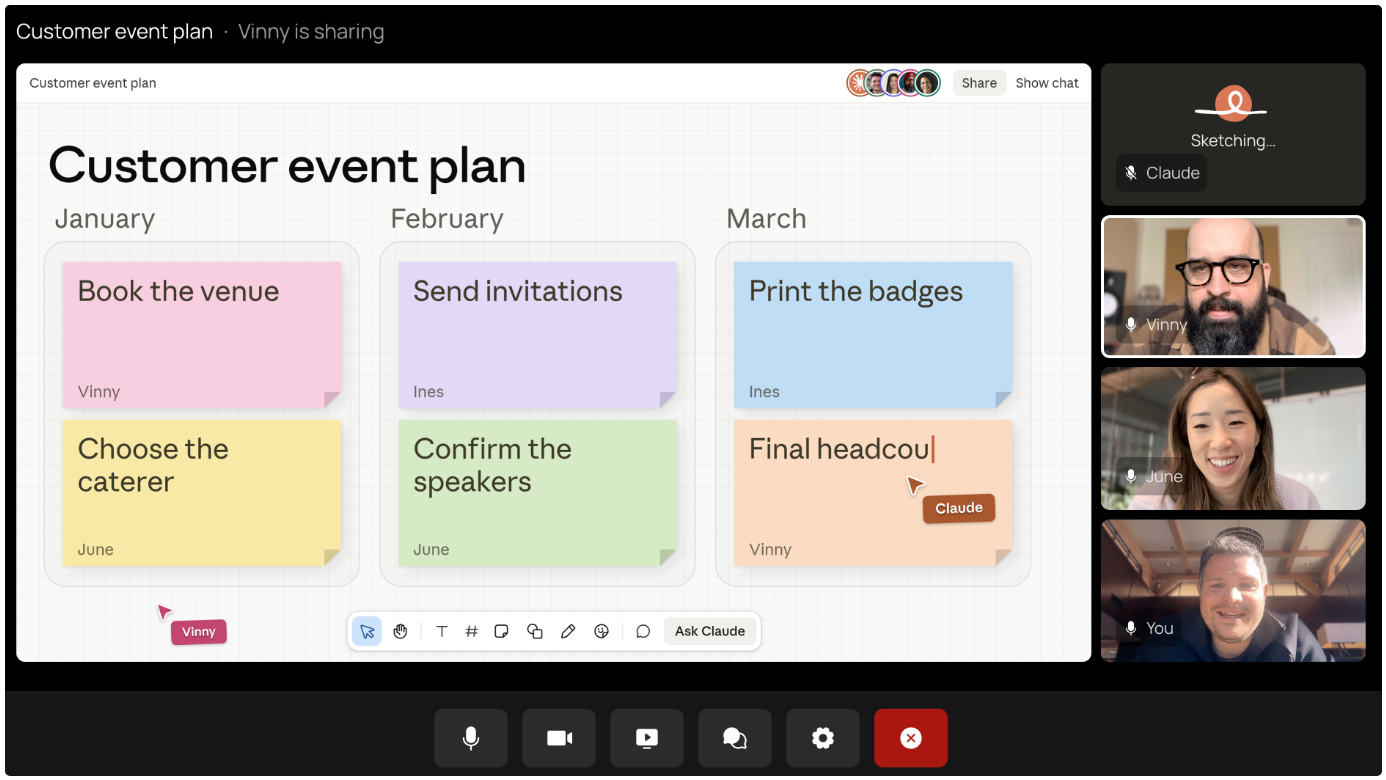
📋 The Details: On a call planning a customer event, someone can say, "Claude, start a doc for this plan," and it writes up what's been said so far. Afterward, the notes and everything it built wait on the meeting's page in claude.ai. Google Meet is the only venue for now, on Team and Enterprise plans.
🎯 Why You Need to Know: Bring a client onto the call and, by default, Claude stays out of it, because it skips any meeting with someone from outside your organization on the invite. An admin can change that, and once they do, whatever guests say lands in the notes and transcript. So before you add Claude, Anthropic suggests checking that everyone on your calls is OK with being transcribed.
📡 Watch For: Notes and transcripts are free during the beta, and the docs and whiteboards Claude builds stay free through February 10, 2027. By then you should know what Anthropic charges, and whether Claude has reached video platforms beyond Google Meet.
Thanks for reading.
Until next time!
The AI Marketers
P.S. Help shape the future of this newsletter – take a short 2-minute survey so we can deliver even better AI marketing insights, prompts, and tools.
[Take Survey Here]
