
Monday Memo
A Byte of Knowledge
Fyodor Dostoevsky wrote like a man with a fever.
Broken sentences. Ideas that double back on themselves. Emotional ruptures mid-thought.
His editors probably winced.
But the roughness was the point.
The man who gave us Crime and Punishment and The Brothers Karamazov understood that real human thought doesn't arrive in neat paragraphs.
It stumbles. Contradicts itself. Lurches from calm to chaos without warning.
Scholars call this "learned ignorance"... choosing to sound unpolished because polish would be a lie.
We can steal this.
When your copy reads too smooth, too constructed, readers feel the machinery behind it.
Their guard goes up.
But when your words carry turbulence... an interruption, a raw admission, a sentence that trips over itself... something shifts.
The page starts breathing.
Your prospect stops reading marketing and starts hearing a person.
🚀 Whether you're selling a $50 supplements or a $10,000 coaching program – having these 5 'Copy Blocks' on your landing page could be the difference between crickets and an avalanche of cash flow.
Discover All 5 'Copy Blocks' Now
Something to Ponder
We Asked – AI Answered
Our Question:
“Search for the some of oldest examples of a marketing principle being established and how it has stood the test of time.”
AI's Answer: The Origin: Claqueurs & Paid Applause
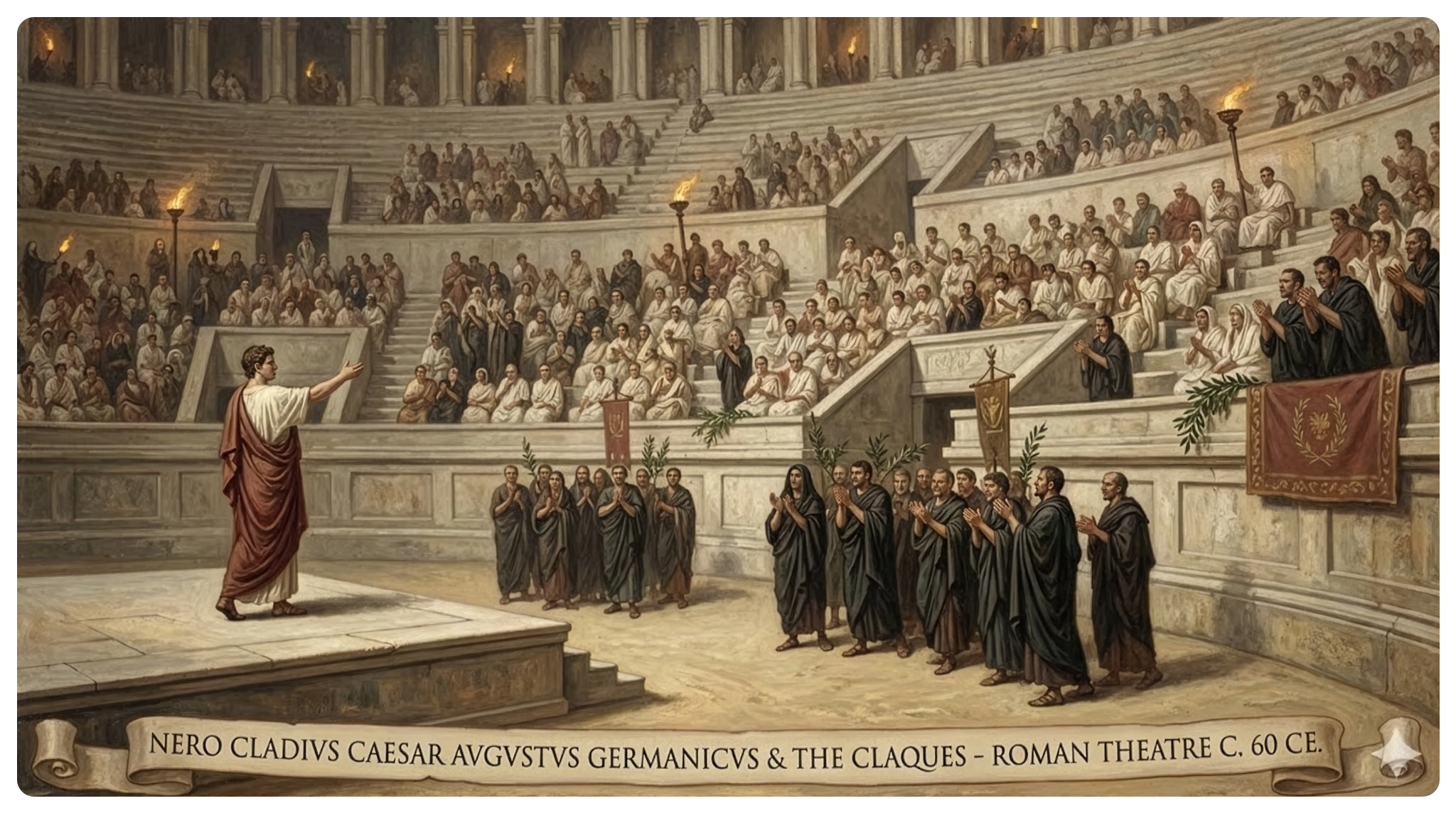
Roman Emperor Nero (54-68 CE) hired groups called claques—paid audience members who applauded his theatrical performances to trigger crowd enthusiasm. These weren't casual fans. They were organized, rehearsed, and strategically placed throughout venues.
But here's the kicker: the practice predates even Nero.
Carthaginian merchants (as early as 217 BCE) used "market shills" who would loudly praise products and create artificial crowds around stalls. Ancient texts from Plautus's comedies reference these tactics—he literally mocked merchants who planted fake customers in plays like Aulularia and Pseudolus.
📜 The principle: People assume the actions of others reflect correct behavior.
🧠 Why It Works (The Psychology)
Dr. Robert Cialdini formalized this in his research at Arizona State University, but the mechanism is hardwired into our evolutionary biology:
- Informational conformity: When uncertain, we look to others for guidance—it's a survival shortcut
- Normative conformity: We want to fit in and avoid social rejection, which meant death in tribal societies
- Cognitive shortcuts: Following the crowd reduces mental effort and decision fatigue
Solomon Asch's 1951 conformity experiments proved this brutally. Participants gave obviously wrong answers on simple visual tests just because confederates answered incorrectly first.
👉 75% conformed at least once. One-third conformed on the majority of trials. These weren't ambiguous questions—the correct answer was visually obvious.
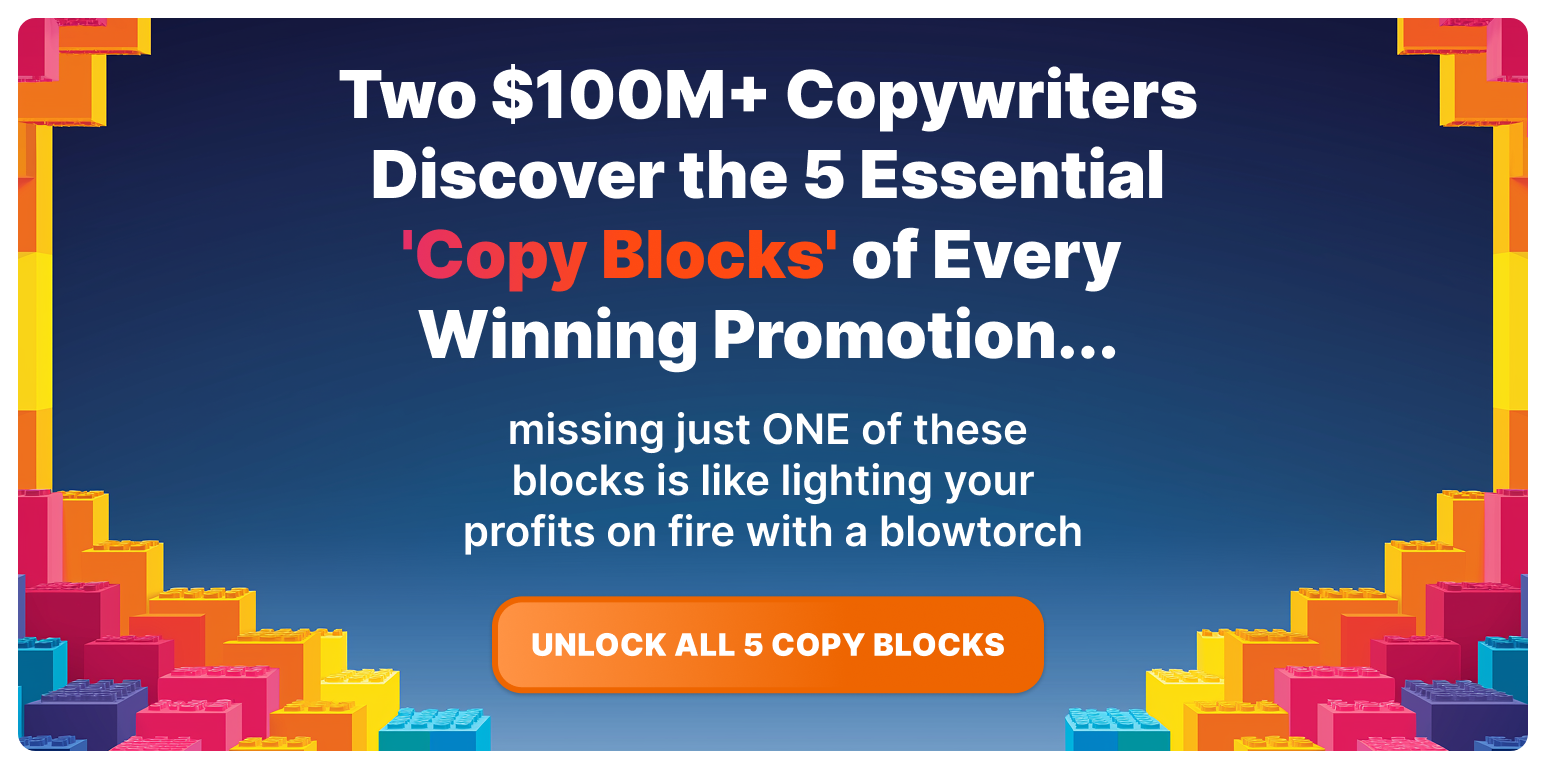
⏰ How It's Held Up: 2,200+ Years Later
💡 The Modern Proof
BrightLocal's 2023 survey found:
- 98% of consumers read online reviews for local businesses
- 46% trust online reviews as much as personal recommendations
- Businesses with 4+ stars capture 94% of all clicks
Amazon's entire empire is built on star ratings. Airbnb lives or dies by host reviews. TikTok's algorithm is literally social proof mechanized—the more engagement, the more distribution.
Even negative social proof works. Research from the Wharton School found that "banned" or "sold out" labels increase desire. Scarcity signals that others already chose.
🎯 The Takeaway for Marketers
The Romans understood something Silicon Valley rediscovered:
Humans are herd animals dressed in suits.
We don't make independent decisions—we make socially validated ones. Every testimonial, every "bestseller" tag, every "1,000 people are viewing this" popup exploits the exact same cognitive vulnerability Carthaginian merchants used in outdoor markets.
"When people are free to do as they please, they usually imitate each other."
— Eric Hoffer, The Passionate State of Mind (1955)
The tools evolve. The psychology doesn't.
Thanks for reading the Monday Memo.
Until next time!
The AI Marketers
P.S. Help shape the future of this newsletter – take a short 2-minute survey so we can deliver even better AI marketing insights, prompts, and tools.
[Take Survey Here]
