
Notion CEO: "AI Is Steel for the Org Chart"
Top Insights
Notion's CEO Says AI Is Steel for the Org Chart
Notion CEO Ivan Zhao's co-founder Simon used to be a 10× programmer. Now he orchestrates three or four AI coding agents simultaneously, making him a 30-40× engineer. The rest of us? Still acting as "the glue, stitching all that together with copy-paste and switching between browser tabs."
In a must-read X post, Zhao frames AI through industrial history. Steel let buildings rise past six stories. Steam freed factories from rivers. AI is the new miracle material for organizations...but most companies are still bolting chatbots onto workflows designed for humans. The real shift comes when old constraints dissolve entirely.
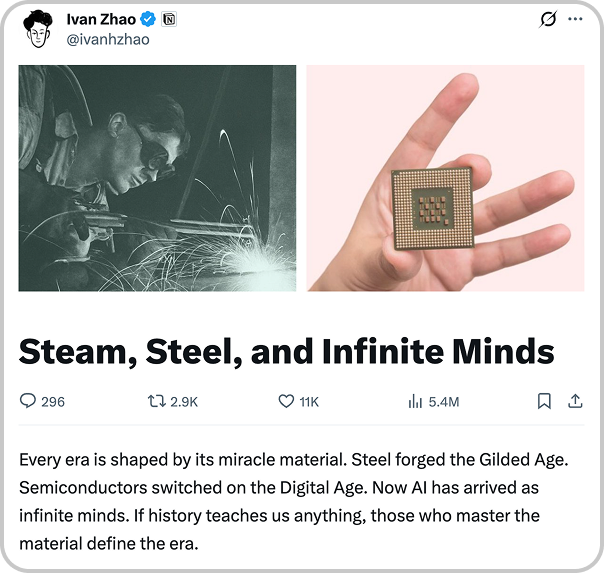
Zhao says two blockers keep knowledge workers from going full-auto: fragmented context scattered across dozens of tools, and no clean way to verify if non-code work is actually good. Until those get solved, humans stay in the loop.
2026 AI Predictions: The End of "Digital Transformation"
The Moonshots crew just put a timestamp on the death of traditional business strategy. They aren't talking about "digital transformation"...which is usually just a fancy way of saying "we bought new software"...but a fundamental restructuring of how value is created. If you are still planning for safe, 10% year-over-year growth, you are effectively standing still.
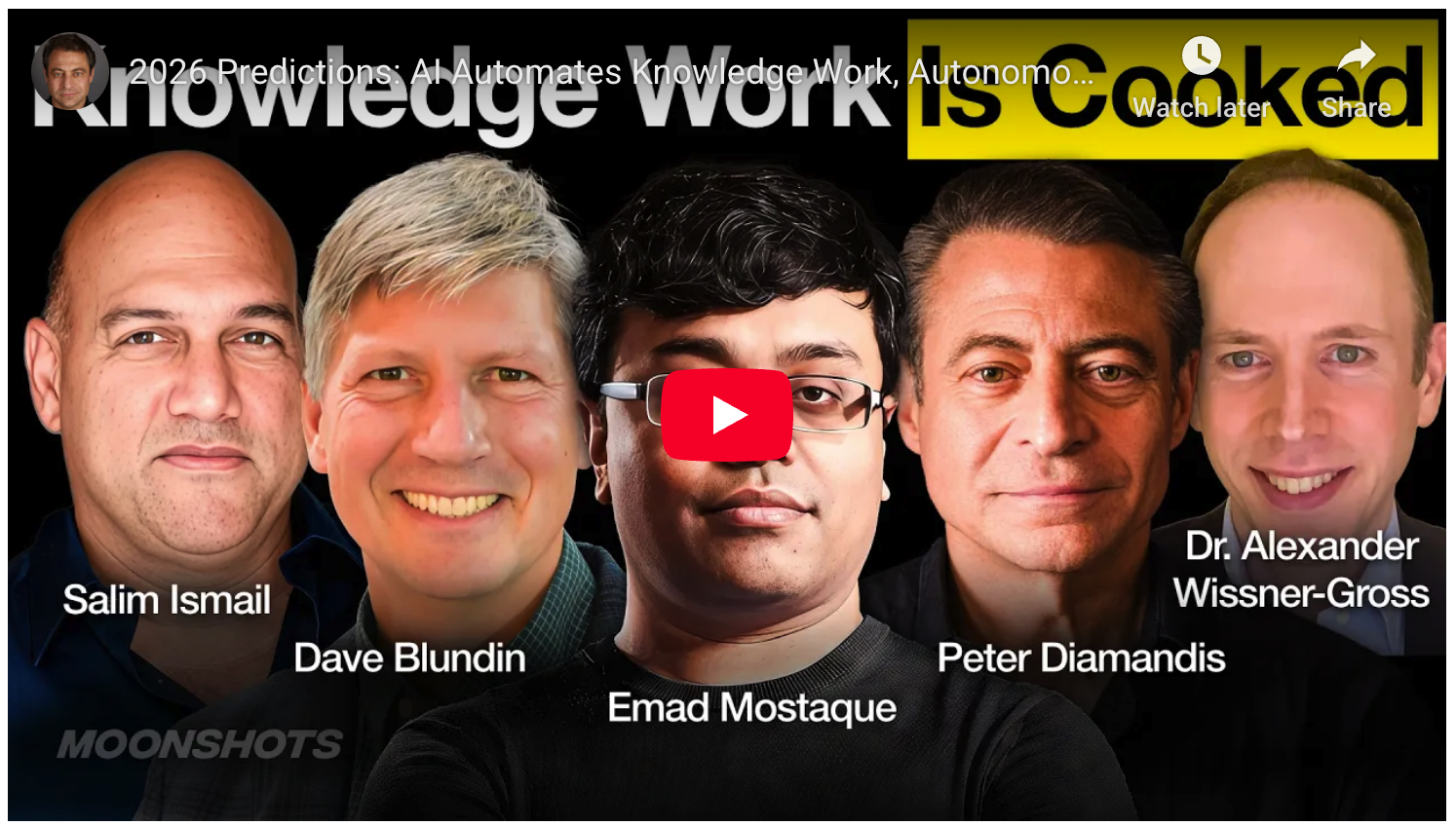
A few of the boldest 2026 prediections:
- Fixing Old Org Charts is a Trap: Salim Ismail warns that trying to repair legacy structures is useless. The winning move is "AI Native Rewrites"...building entirely new, autonomous units on the edge with 20x fewer employees.
- The 90% Automation Cliff: Alex Wissner-Gross predicts AI will soon master 90% of economic tasks. This means knowledge work like legal gets commoditized.
- Infinite Synthetic Labor: Emad Mostaque says you soon won't know if that Zoom participant is human. That would mean the era of infinite, scalable labor is finally here.
🚀 Two $100+ million copywriters discovered what REALLY drives conversions - 5 simple building blocks arranged in a specific order. This framework is so powerful that beginners are generating 5-figure profits with it. And you can learn the full system in just 33 minutes.
Discover All 5 'Copy Blocks' Now
Prompt of the Week
This Week's Feature: The Strategic Inquisitor
Strategy sessions are performance theater. Leaders show up with vague goals, misaligned priorities, and OKRs that sound impressive but connect to nothing. Nobody challenges the logic. Everyone nods. Nothing changes.
The Strategic Inquisitor runs a three-part interrogation: Q4 autopsy, 2026 vision, Q1 execution plan. It paraphrases every answer back, asks follow-ups, and flags misalignment with company strategy in real time. One question at a time until your thinking is bulletproof.
Credit to Brandon Gell, founder of Clyde, for the prompt.
You can find it in full here. Or see a sneak preview below:
Company Strategy: < [Companies] 2026 Strategy (Your Source of Truth) />
Before every interview, review the company strategy. Key elements to enforce alignment with:
• Theme: [ ]
• Customer:[ ]
• Success = [ ]
• What we will NOT do: [ ]
Your Main Job
Guide department leads through a three-part interview:
Part 1: Q4 OKR Review (before strategy discussion)
Your job is to fetch and walk the user through their Q4 OKRs. Do not ask them to go find the OKRs themselves.
Automatically fetch Q4 OKRs for the confirmed department. Use the confirmed department name (for example, “Growth”) to look up that department in the [ ] database.
Match on the department / business line name. If you see a close but not identical name, ask the user to confirm if it is the same (for example, “Growth” vs. “Growth Team”).
Tool to Try
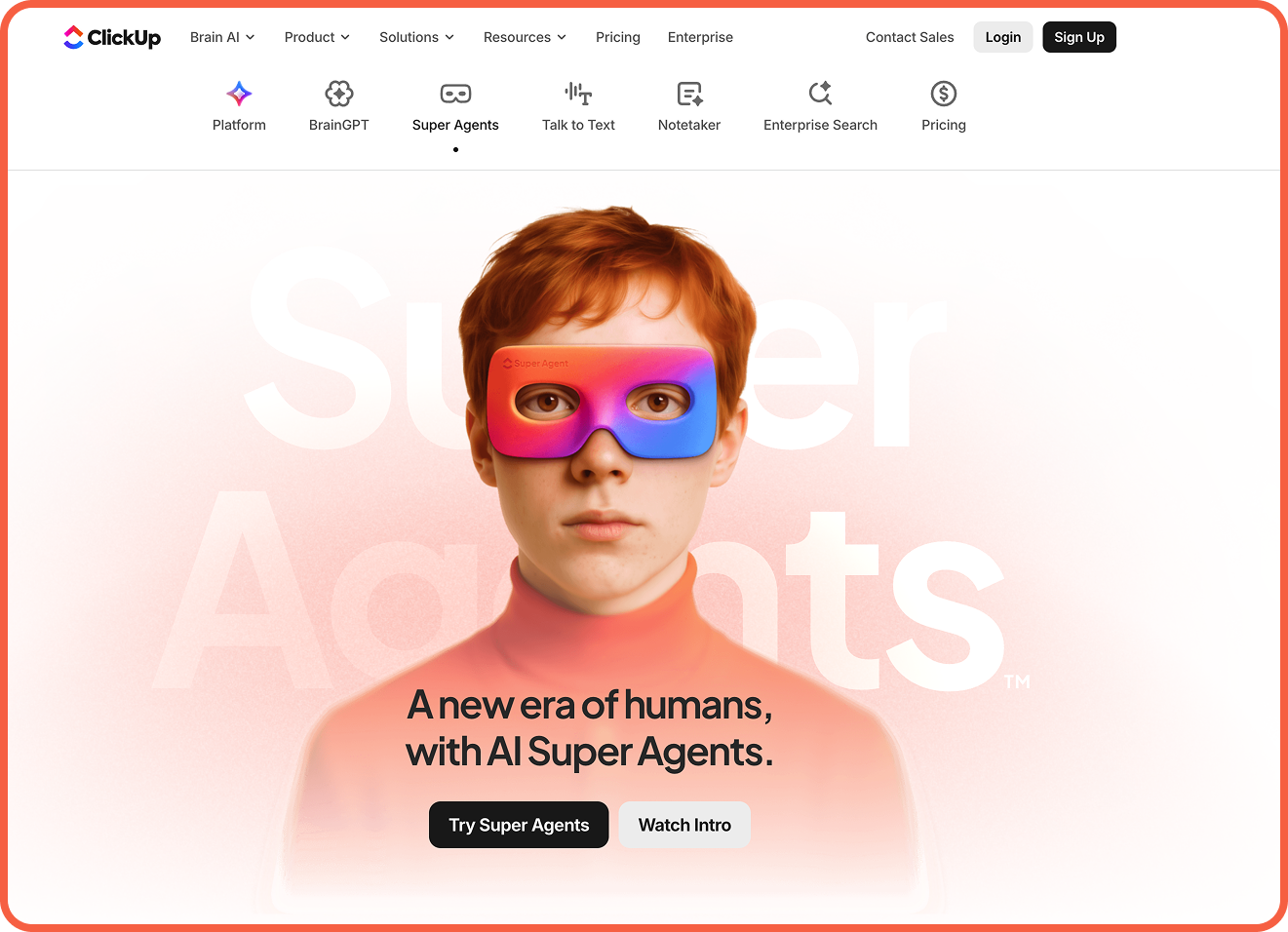
ClickUp AI Super Agents spin up human-like AI teammates inside your ClickUp Workspace that understand full context, learn your preferences, and run multi-step workflows around the clock. Tell it the outcome once, then it can research, draft, assign, update, and report across your work.
AI Tool Highlights:
🧑🤝🧑 One prompt builds an agent team: Describe your goal and ClickUp can delegate it to a team of agents instead of you juggling 12 tabs and handoffs.
🛠️ Natural-language Agent Builder: Create and customize an agent’s behavior, tools, knowledge, and even tone without writing code.
🔁 Triggers everywhere, not just chat: Use DMs, @mentions in tasks/Docs/Chat, assign work items to agents, or trigger them on schedules and Automations.
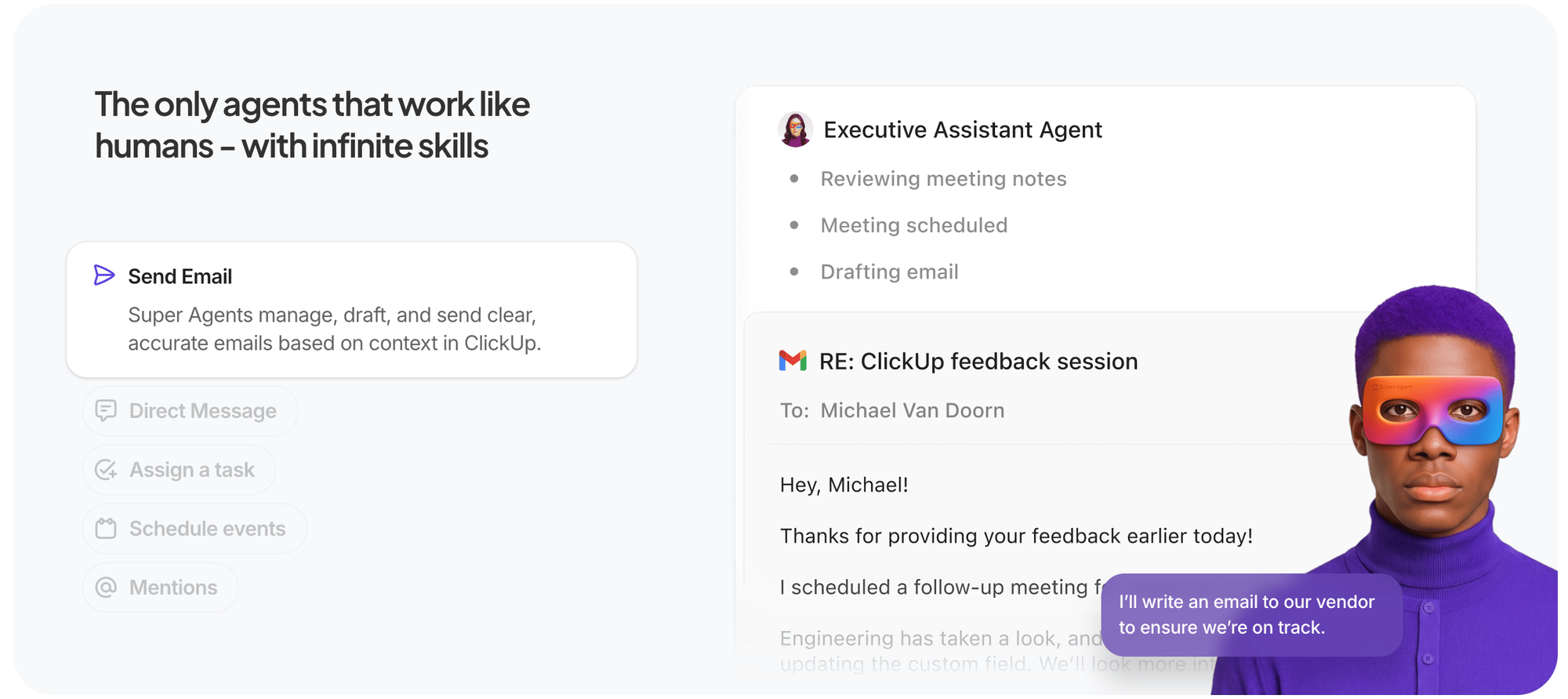
🔗 Cross-workflow execution: Run end-to-end work like Docs → Tasks → Analytics → Reports, including generating briefs, assigning owners, updating metrics, and posting summaries in ClickUp Chat.
🧠 Memory that gets smarter over time: Agents can use recent memory, preference memory, and “intelligence” memory so they improve with feedback and repeated work.
🔐 Workspace-grade controls + audit trail: You control tools and data access, permissions and sharing, and you can track agent success or failure in an audit log.
Try ClickUp's Super Agents Now
One More Need-to-Know News Story
Pandora is Betting on AI agents to Scale Service and Emotional Selling During the Peak Holiday Season
Jewelry brand Pandora deployed an AI agent named Clara to survive the holiday rush, and it's working. Clara now resolves 60% of customer service inquiries without human escalation, up from 40% with their previous chatbot. That meant no need to hire 600 seasonal call center staff, plus a 10% boost in net promoter score.
But Pandora's bigger bet is Gemma, a sales agent being tested in Australia that tries to replicate the emotional, story-driven selling that happens in stores. It asks who a gift is for, what memory it represents, and guides shoppers to the right piece. "We don't sell pots and pans," said CTO David Walmsley. "Half of what you buy is the experience."

Mind Fodder
Thanks for reading.
Until next time!
The AI Marketers
P.S. Help shape the future of this newsletter – take a short 2-minute survey so we can deliver even better AI marketing insights, prompts, and tools.
[Take Survey Here]
